
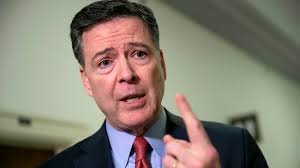
The Man at the Center of the Storm: Understanding James B. Comey
Few figures in recent American history have sparked as much debate and division as James B. Comey. As the former Director of the Federal Bureau of Investigation (FBI), Comey found himself at the intersection of law enforcement and high-stakes political warfare, making him a household name and a lightning rod for criticism from both sides of the political aisle.
But who is James Comey beyond the headlines? To understand his impact, one must look at the pivotal moments that defined his tenure and the subsequent fallout that reshaped the public’s perception of the FBI.
The Rise to Power and the 2016 Election
James Comey’s leadership of the FBI was marked by a commitment to what he described as the “rule of law,” yet his decisions during the 2016 U.S. Presidential Election remain some of the most scrutinized actions in the agency’s history.
- The Clinton Email Investigation: Comey’s decision to hold a press conference announcing that no charges would be filed against Hillary Clinton, while simultaneously calling her actions “extremely careless,” was seen by many as an unprecedented move.
- The October Surprise: Just days before the election, Comey notified Congress that the FBI was reopening the investigation into Clinton’s emails, a move that critics argue swayed the election results.
The Clash with the White House
The tension between James B. Comey and the Trump administration quickly escalated into a public battle. Comey was tasked with overseeing the investigation into Russian interference in the 2016 election, a probe that placed him on a collision course with President Donald Trump.
In May 2017, the relationship reached a breaking point when Comey was abruptly fired. This event triggered a series of events that led to the appointment of a Special Counsel and a period of intense political instability. Comey later detailed these interactions in his memoir, framing himself as a guardian of institutional integrity against political pressure.
A Polarizing Legacy: Hero or Liability?
Depending on who you ask, James Comey is either a principled civil servant who stood up to power or a political actor who overstepped his bounds. His tenure raised fundamental questions about the independence of the Department of Justice and the role of the FBI in a democratic society.
According to reports from Reuters and other major news outlets, the “Comey era” served as a catalyst for discussions regarding the weaponization of federal agencies, a topic that continues to dominate political discourse today.
Key Takeaways from the Comey Era
To summarize the impact of James B. Comey on the US political landscape, we can look at three main pillars:
- Institutional Strain: The perceived politicization of the FBI during his tenure.
- Transparency vs. Confidentiality: The debate over when an FBI Director should speak publicly about ongoing investigations.
- Executive Power: The legal and ethical boundaries of the President’s authority to fire the head of the FBI.
Whether viewed as a whistleblower or a catalyst for chaos, James B. Comey remains a central figure in the history of the American justice system, reminding us of the fragile balance between law enforcement and political influence.



