
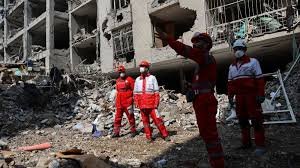
Israel-Iran War: A Deep Dive into Escalating Tensions
The conflict between Israel and Iran continues to send ripples across the globe, impacting energy markets, regional stability, and international diplomacy. Oil prices experienced volatility, with Goldman Sachs warning they could surpass $100 a barrel through 2027, while the US considers significant increases in military funding. This article provides a comprehensive overview of the latest developments, from regional strikes to the humanitarian consequences unfolding across the Middle East and beyond.
Key Developments & Regional Strikes
Israeli Prime Minister Benjamin Netanyahu has indicated a willingness to heed President Trump’s call to refrain from further attacks on key Iranian energy sites, following a strike on the South Pars field. However, tensions remain high. Reports indicate the death of Ali Mohammad Naeini, spokesperson for the Islamic Revolutionary Guard Corps, as reported by Iranian state media. The situation is fluid, with Iran’s new Supreme Leader, Mojtaba Khamenei, emphasizing the need to deny security to Iran’s enemies.
Economic Impact: Oil Prices and Market Volatility
The war has significantly impacted global oil markets. While prices edged lower on Friday following a tumultuous period, analysts predict sustained elevated prices. Damage to energy infrastructure and the effective closure of the Strait of Hormuz, a vital oil and gas shipping lane, are major contributing factors. Goldman Sachs forecasts oil prices could remain above $100 through 2027, citing persistent supply shocks. Goldman Sachs provides detailed analysis on energy market trends.
Humanitarian Crisis & Displacement
Beyond the geopolitical and economic ramifications, the conflict is triggering a growing humanitarian crisis. In Lebanon, a fifth of the population has been displaced, with almost 15% under evacuation orders. The UN Refugee Agency reports that Lebanese families are fleeing their homes with minimal possessions, facing rising costs of living and overcrowded shelters. Karolina Lindholm Billing of the UN Refugee Agency highlighted the dire situation, stating, “It’s very, very serious… they’re really terrified to be caught up in these attacks.”
Religious Sites & Restrictions
The Al-Aqsa mosque in Jerusalem remains closed, marking the first time since 1967 it has been shut during Eid. Israeli authorities cite “security reasons” for the closure, preventing thousands of Palestinians from observing a significant religious occasion. Footage shows people dispersing near the site as smoke rises, raising concerns about escalating tensions in the area.
Military Developments & A-10 Warthog’s Role
The US military is adapting its strategies in response to the conflict. The A-10 Warthog, a storied attack aircraft previously slated for retirement, is now actively engaged in hunting and destroying fast-attack watercraft in the Strait of Hormuz. AH-64 Apache attack helicopters are also being deployed to counter Iranian drones and target Iranian-aligned militia groups in Iraq.
International Response & Diplomatic Efforts
Seven US allies – the United Kingdom, France, Germany, Italy, the Netherlands, Japan, and Canada – have released a joint statement condemning Iran’s actions and pledging support for ensuring safe passage through the Strait of Hormuz. However, the specifics of their contribution remain unclear. Analysts suggest the statement may be a gesture to appease the US, with allies likely to prioritize symbolic support over direct military intervention.
Nuclear Concerns & Attacks on Infrastructure
The conflict has raised concerns about the security of Iran’s nuclear facilities. Reports indicate that Iran’s only functioning nuclear power plant was reportedly hit by a hostile projectile, although officials claim there was no damage or radiation leak. Additionally, Kuwait’s Mina Al-Ahmadi oil refinery has been targeted by drone attacks, causing fires and prompting precautionary shutdowns.
Global Impact & Supply Chain Disruptions
The war’s impact extends far beyond the Middle East. India, a major importer of LNG, is facing potential shortages and disruptions to its energy supply, leading to industrial slowdowns and concerns about cooking gas availability. Rising fuel costs are also impacting air travel, with airlines passing on increased expenses to passengers. The International Energy Agency has proposed measures to mitigate the impact of higher energy prices, including promoting public transport and reducing air travel.
Stay informed: CNN’s coverage of the Israel-Iran conflict provides ongoing updates and analysis.



