
The Beginning of the End? Analyzing Putin’s Surprising Shift and the Cracks in the Kremlin
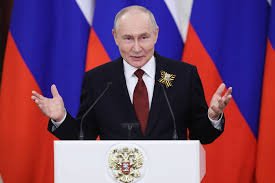
In a move that caught global intelligence agencies and political analysts by surprise, Russian President Vladimir Putin recently hinted that the conflict in Ukraine might be “coming to an end.” Coming from a leader known for his unwavering, often maximalist stance, this admission is more than just a casual remark—it is a signal that the tides within the Kremlin may be shifting.
A Victory Day Without the ‘Flex’
The timing of this statement was particularly poignant. During the hallowed May 9 Victory Day parades, which traditionally serve as a massive display of Soviet-era strength and modern military might, the atmosphere was noticeably different. For the first time in years, the Red Square parade lacked the bristling array of heavy military hardware that typically intimidates the West.
Instead of showcasing the latest tanks and missiles, the display was scaled back, reflecting a stark reality: Russia is running low on equipment. The absence of hardware, coupled with a visible shortage of soldiers, suggests that the “special military operation” has drained the Russian war machine more than the Kremlin is willing to admit publicly.
The Strategy of Diplomacy: A New Gambit?
In a surprising diplomatic twist, Putin suggested that Gerhard Schröder, the former German chancellor, could act as a mediator for future talks with Europe. While Schröder remains a controversial figure due to his ties to the Nord Stream pipeline, his nomination serves two purposes:
- n
- Creating an Illusion of Peace: By mentioning negotiations, Putin maintains the hope that a diplomatic exit exists, potentially easing pressure from internal elites.
- Testing Western Waters: It tests whether there is still a channel for communication with Europe, especially amidst the fluctuating political climate in the United States.
Internal Decay: Morale and the Russian Economy
Beyond the battlefield, Russia is fighting a war of attrition at home. The Russian economy is feeling the crushing weight of long-term sanctions and the exorbitant cost of maintaining a frontline of thousands of miles. The “meatgrinder” tactics—sending waves of convicts and impoverished citizens into high-casualty assaults—are reaching a breaking point.
There is a growing whisper among the Moscow elite that the human and economic cost has become unsustainable. Recent opinion polls suggest a prevailing sentiment that the war needs to end soon, not necessarily because the goals have been met, but because the political survival of the current administration may be at risk.
Ukraine’s High-Tech Survival: The Rise of the Machines
While Russia struggles with manpower, Ukraine has pivoted toward a futuristic form of warfare. Despite their own soldier shortages, Kyiv has integrated robotics and unmanned aerial vehicles (UAVs) on a massive scale. These drones have fundamentally changed the battlefield, allowing Ukraine to:
- n
- Intercept Russian advances with precision strikes.
- Resupply and evacuate troops without exposing human soldiers to direct fire.
- Maintain a defensive line that makes Russian progress agonizingly slow.
This technological adaptation has ensured that Ukraine remains on its feet, defying the early predictions of a swift collapse. For more on the evolution of modern drone warfare, resources from BBC News provide deep insights into the shift in global military strategies.
Final Thoughts: The End of an Illusion
For years, the Kremlin operated under the belief that its resources were endless and its will unbreakable. However, the combination of economic strain, plummeting morale, and Ukraine’s technological resilience has created a new reality. Whether Putin’s talk of an ending is a genuine pivot toward peace or a strategic deception, one thing is clear: the fortress of the Kremlin is no longer impenetrable.
All wars eventually end, and it appears that Vladimir Putin may have finally realized that the cost of total victory is a price Russia can no longer afford to pay.



