
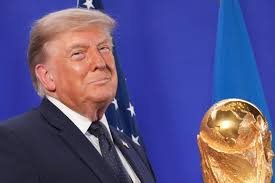
The Intersection of Power and Play: Trump at the World Cup Final
As the world prepares for the electrifying showdown between Argentina and Spain, the spotlight isn’t just on the pitch. A major question has been circulating: is Trump going to the World Cup final? The answer is a resounding yes. President Donald Trump is scheduled to present the prestigious World Cup trophy to the winners, marking the climax of a tournament that has been as much about diplomacy and politics as it has been about soccer.
While the event celebrates athletic excellence, the journey to the final has been fraught with tension, reflecting the complex landscape of the Trump administration’s foreign and domestic policies.
A Tournament of Contrasts: Logistics vs. Controversy
Hosting the largest World Cup in history alongside Canada and Mexico was no small feat. For the White House, the event was a test of logistical capability and national image. According to Andrew Giuliani, executive director of the White House FIFA Task Force, the goal was to ensure the event was safe, secure, and filled with integrity.
However, the path to the final was paved with hurdles:
- Immigration Strains: Hard-line migration policies created barriers for fans from various qualifier countries.
- Visa Disputes: Global scrutiny intensified after visa denials affected key figures, including a highly acclaimed referee from Somalia.
- Geopolitical Friction: Tensions with Iran led to the Iranian team being based in Tijuana, Mexico, as fans and staff were barred from entering the U.S.
Despite these clashes, a surprising cultural shift occurred. Social media became a hub for global fans sharing their love for American traditions, suggesting that the “beautiful game” managed to bridge gaps that politics could not.
The FIFA Phone Call: Influence or Oversight?
One of the most talked-about moments of the tournament occurred off the field. President Trump sparked controversy after making a phone call to FIFA President Gianni Infantino. The purpose? To request a review of a red card given to U.S. star Folarin Balogun during a match against Bosnia and Herzegovina.
While critics viewed the move as an inappropriate attempt to influence officiating, the administration defended it as a “duty” to ensure fairness. Ultimately, FIFA reversed the call, allowing Balogun to remain eligible, though the U.S. team eventually fell to Belgium.
Diplomacy on the Sidelines: Tariffs and Ties
The World Cup final serves as a fascinating study in geopolitical irony. While President Trump has threatened stiff tariffs on co-hosts Canada and Mexico and moved away from previous trade pacts, the spirit of the game persists. Both Mexican President Claudia Sheinbaum and Canadian Prime Minister Mark Carney have accepted invitations to attend the final, proving that sports can occasionally override trade wars.
The stakes are also personal regarding the finalists:
- Argentina: President Javier Milei, a close ally of Trump, is a favorite of the administration.
- Spain: Relations are strained due to Spain’s stance on NATO spending and U.S. military operations.
Looking Toward the Future: Olympics and Beyond
The success of this World Cup is a critical benchmark for the U.S., which is gearing up to host the 2028 Summer Olympics in Los Angeles and the 2034 Winter Olympics in Salt Lake City. Additionally, the U.S. is expected to host the 2031 Women’s World Cup, though the administration has already signaled a strict stance on athlete eligibility regarding transgender women.
Regardless of who lifts the trophy on Sunday, the event underscores a powerful reality: soccer has a unique ability to bring the world together, even when the political climate is divided.



