
Ireland Takes a Stand: Travel Ban Implemented for Israeli Ministers
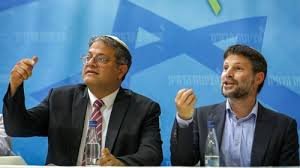
In a significant escalation of diplomatic tensions, Ireland has officially implemented a travel ban against two high-ranking members of the Israeli government. The decision, confirmed by Taoiseach Micheál Martin, targets National Security Minister Itamar Ben-Gvir and Finance Minister Bezalel Smotrich.
The announcement came during the EU-Western Balkans Summit in Tivat, Montenegro, where Taoiseach Martin expressed grave concerns over the rhetoric and actions of the two ministers. According to the Irish leader, their behavior reflects a distressing desire to see the “elimination of Palestinians from Palestine,” making their entry into Ireland unacceptable.
The Details Behind the Decision
Minister for Justice Jim O’Callaghan has formally instructed immigration officers to refuse entry to both individuals. This move was agreed upon by the Irish Government outside of a formal Cabinet decision, streamlining the process to act swiftly against those deemed instrumental in fomenting the current crisis in Gaza.
The ministers targeted by the travel ban are known for their hardline stances:
- n
- Itamar Ben-Gvir: Minister for National Security.
- Bezalel Smotrich: Minister for Finance.
n
n
A Call for EU-Wide Sanctions
Ireland is not acting in total isolation. Taoiseach Martin has explicitly called for the European Union to introduce broader sanctions. While acknowledging that securing unanimous support across all EU member states can be challenging, Martin believes that the behavior of these ministers justifies a collective European response.
This move follows a similar precedent set by France, which recently banned Itamar Ben-Gvir after he shared a video mocking activists seized during a Gaza-bound aid flotilla. Currently, France, Spain, and Italy have all urged the EU to consider sanctions against Ben-Gvir.
Legal Investigations and Sport Diplomacy
The diplomatic friction extends beyond travel restrictions. France has launched an investigation into alleged “war crimes” and “torture” regarding the treatment of French activists by Israeli authorities. This probe was initiated by the national counterterrorism prosecutor’s office (PNAT) following reports of mistreatment during detention.
On a separate note, the Irish government has addressed mounting pressure on the FAI to boycott upcoming soccer fixtures with Israel. Taoiseach Martin clarified that the decision rests solely with FIFA, stating that the government does not have a role in sporting schedules. Instead, he emphasized that the most effective way to influence the situation is through EU diplomacy and pressure from the United States.
Conclusion
The imposition of this travel ban marks a pivotal moment in Ireland’s foreign policy, signaling a zero-tolerance approach toward rhetoric that contradicts international humanitarian standards. As the international community watches, the focus now shifts to whether other EU nations will follow Ireland’s lead in implementing formal sanctions.



