
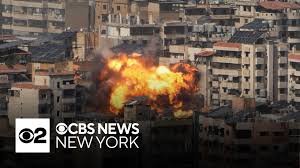
The Strait of Hormuz, a narrow waterway connecting the Persian Gulf to the Gulf of Oman and the Arabian Sea, is once again at the center of global concern. Recent escalations involving Iran, coupled with heightened military presence from international forces, have sparked fears of a potential conflict – an ‘Iran War’ – with far-reaching consequences. This article delves into the current situation, analyzing the key factors driving tensions and exploring the potential ramifications of a military confrontation.
The Strategic Importance of the Strait of Hormuz
The Strait of Hormuz is arguably one of the most strategically important chokepoints in the world. Approximately 20% of the world’s oil supply passes through this vital waterway daily. Disruptions to shipping in the Strait, whether through military action, piracy, or political instability, could have a devastating impact on global energy markets and the world economy. The United States Energy Information Administration provides detailed data on oil transit through the Strait: https://www.eia.gov/international/analysis/regions/middleeast/hormuz
Key Drivers of Rising Tensions
Several factors are contributing to the escalating tensions. These include:
- Iran’s Nuclear Program: Ongoing concerns about Iran’s nuclear ambitions and its compliance with international agreements remain a major point of contention.
- Regional Proxy Conflicts: Iran’s support for proxy groups in Yemen, Syria, and Lebanon fuels regional instability and clashes with rivals like Saudi Arabia and Israel.
- US Sanctions: The United States’ economic sanctions against Iran, imposed in response to its nuclear program and regional activities, have severely impacted the Iranian economy.
- Military Posturing: Increased military presence and exercises by both Iran and the United States, as well as their allies, in the region heighten the risk of miscalculation and accidental escalation.
The Potential for an Iran War: Scenarios and Consequences
While a full-scale ‘Iran War’ is not inevitable, the risk is undeniably increasing. Potential scenarios range from limited skirmishes involving naval forces to a broader regional conflict. The consequences of such a conflict would be severe:
- Global Oil Price Shock: Disruption of oil supplies would likely trigger a significant spike in global oil prices, impacting economies worldwide.
- Regional Instability: A war could destabilize the entire Middle East, potentially drawing in other regional powers.
- Humanitarian Crisis: A conflict would inevitably lead to a humanitarian crisis, with widespread displacement and loss of life.
- Increased Terrorism: Instability in the region could create opportunities for terrorist groups to expand their influence.
Diplomatic Efforts and the Path Forward
Despite the heightened tensions, diplomatic efforts are ongoing. International actors are attempting to de-escalate the situation through dialogue and negotiation. However, the path forward remains challenging, requiring a commitment to diplomacy, a willingness to address Iran’s legitimate security concerns, and a concerted effort to prevent further escalation. The Council on Foreign Relations offers in-depth analysis on US-Iran relations: https://www.cfr.org/iran
The situation in the Strait of Hormuz demands careful monitoring and a proactive approach to prevent a catastrophic conflict. Understanding the complexities of the region and the underlying drivers of tension is crucial for navigating this precarious situation.



