
Iran Supreme Leader: Attacks, Power, and Future of Khamenei
Recent escalations in tensions have seen the United States and Israel engage in renewed attacks targeting Iran, disrupting nuclear negotiations and raising concerns about the security of the nation’s leadership. Specifically, areas linked to Iran’s Supreme Leader, Ayatollah Ali Khamenei, were reportedly targeted in Tehran on Saturday. This has brought renewed focus on Khamenei’s role and the potential for a shift in Iran’s political landscape.
Recent Attacks and Khamenei’s Whereabouts
Iranian media reports indicate widespread attacks across the country, including several locations within the capital, Tehran. Tasnim news agency reported seven missiles struck near the presidential palace in Shemiran, north of Tehran, and also near compounds associated with Ayatollah Khamenei. While initial reports were unclear, sources cited by Reuters suggest Khamenei was not present in Tehran at the time of the attacks and had been moved to a secure location.
A History of Leadership
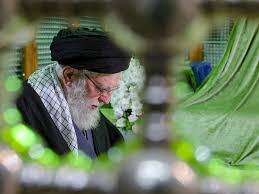
Ayatollah Ali Khamenei, 86, has served as Iran’s Supreme Leader since 1989, succeeding Ayatollah Ruhollah Khomeini, the architect of the 1979 Iranian Revolution which ousted US-backed Shah Mohammad Reza Pahlavi. Khamenei holds ultimate authority over all branches of government, the military, and the judiciary, functioning as both the political and spiritual leader of the nation.
Navigating Adversity and Maintaining Power
Throughout his tenure, Khamenei has navigated a complex relationship with the West, enduring significant sanctions and internal protests related to economic hardship and human rights. He consistently identifies the US as Iran’s “number one enemy,” with Israel closely following. Central to his power base is the unwavering loyalty of key security institutions: the Islamic Revolutionary Guard Corps (IRGC) and the Basij paramilitary forces, boasting hundreds of thousands of volunteers.
The Nuclear Program and International Concerns
Khamenei maintains that Iran’s nuclear program is solely for civilian purposes and denies any intention of developing nuclear weapons. While neither US intelligence nor the UN nuclear watchdog has found evidence supporting the pursuit of an atomic weapon, Israel and some within the former Trump administration have persistently asserted otherwise. This divergence in perspectives fuels ongoing international tensions.
Threats and Calls for Regime Change
Officials from both the US and Israel have previously issued direct threats against Khamenei. In June, Israeli Defense Minister Israel Katz stated that Khamenei “cannot continue to exist” due to his alleged goal of destroying Israel. Prime Minister Benjamin Netanyahu suggested Israel hadn’t ruled out assassination attempts, claiming it could “end” the conflict.
Former US President Donald Trump also made provocative statements, warning Khamenei to be “very worried” as the US increased its military presence in the region. He advocated for regime change in Iran, believing it would be “the best thing that could happen,” and even claimed Khamenei was an “easy target.” Trump urged Iranians to overthrow their government, stating it would be their “only chance for generations.”
The Goal of “Decapitation”
Al Jazeera’s Ali Hashem, a seasoned Iran correspondent, believes the recent US-Israeli attacks are “mainly aimed at decapitating [the political elite].” The success of these efforts remains to be seen.
Stay informed: For further updates, visit Al Jazeera.



