
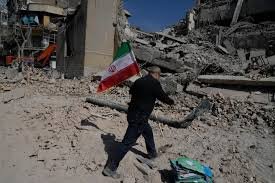
Iran Conflict: A Deep Dive into Escalating Tensions
Recent events have brought the Iran conflict sharply into focus, raising concerns globally about regional stability and potential wider repercussions. While often presented as a singular event, the current situation is rooted in a complex history of geopolitical maneuvering, religious differences, and economic pressures. This article aims to provide a comprehensive overview of the Iran conflict, exploring its origins, current state, and potential future trajectories.
What’s Behind the Current Tensions?
The roots of the Iran conflict are multifaceted. Key factors include:
- Historical Grievances: Decades of political and economic tensions between Iran and several regional powers, particularly Saudi Arabia and Israel, fuel ongoing distrust.
- Proxy Wars: Iran’s support for various armed groups in the Middle East, including Hezbollah in Lebanon and Houthi rebels in Yemen, is seen as destabilizing by its adversaries.
- Nuclear Program: Iran’s nuclear program remains a major point of contention. Concerns over its potential for weaponization have led to international sanctions and heightened tensions. The Joint Comprehensive Plan of Action (JCPOA), also known as the Iran nuclear deal, aimed to curb Iran’s nuclear ambitions, but its future remains uncertain following the US withdrawal in 2018.
- Regional Power Dynamics: The struggle for regional dominance between Iran and Saudi Arabia plays a significant role, with both countries vying for influence in countries like Yemen, Syria, and Iraq.
The Current Situation: Recent Developments
The situation is constantly evolving. Recent developments include increased military activity in the region, heightened rhetoric from both sides, and ongoing diplomatic efforts to de-escalate tensions. The potential for miscalculation and unintended consequences is high. Understanding the nuances of these developments is crucial for informed analysis. For more information on current events, you can refer to The Council on Foreign Relations’ Iran page.
Global Impact and Potential Consequences
The Iran conflict has far-reaching implications beyond the Middle East. These include:
- Oil Prices: The region is a major oil producer, and any disruption to supply could lead to significant price increases, impacting the global economy.
- Global Security: The conflict could escalate into a wider regional war, drawing in other major powers and potentially destabilizing the entire region.
- Refugee Crisis: Increased conflict could lead to a surge in refugees, placing a strain on neighboring countries and international aid organizations.
- Terrorism: Instability in the region could create opportunities for terrorist groups to flourish.
Looking Ahead: What to Expect
Predicting the future of the Iran conflict is challenging. However, several scenarios are possible, ranging from a negotiated settlement to a full-scale war. Continued diplomatic efforts, coupled with a willingness from all parties to compromise, are essential to prevent further escalation. Staying informed and understanding the complexities of the situation is crucial for navigating this volatile landscape. You can find further analysis from Al Jazeera’s Middle East coverage.
Disclaimer: This article provides general information and should not be considered as professional advice.



