
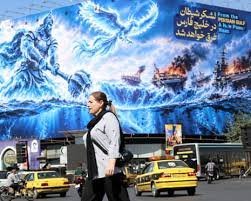
Iran and the Strait of Hormuz: A High-Stakes Game of Global Energy
The geopolitical landscape of the Middle East is currently balanced on a knife’s edge. At the centre of this storm is the Strait of Hormuz, one of the world’s most critical chokepoints for energy supplies. Recent reports indicate that Iran is ready to reopen this vital waterway within seven days, but this offer comes with significant conditions that could redefine US-Iran relations.
The 7-Day Ultimatum: Diplomacy or Strategy?
According to a senior official speaking to Reuters, Tehran is prepared to restore normal traffic through the strait if the United States agrees to ease its military pressure and lift the blockade on Iranian ports. This move comes at a time when visible shipping traffic has plummeted, with some tankers resorting to turning off their transponders to avoid detection.
To put the current crisis into perspective, shipping data reveals a staggering decline in activity:
- n
- Pre-war average: Approximately 120 vessels per day.
- Recent weekend traffic: Only 17 commodity vessels.
High-Stakes Diplomacy at the UN General Assembly
The eyes of the world are now on New York, where the United Nations General Assembly is hosting representatives from 193 countries. Iranian President Masoud Pezeshkian and Foreign Minister Abbas Araghchi are arriving with a clear mandate: to defend the rights and interests of the Iranian people while navigating a complex diplomatic minefield.
Foreign Minister Araghchi has been vocal about the “loss of trust” in international organizations, arguing that certain nations act above international law. This friction is evident as President Donald Trump expresses an openness to meeting with Pezeshkian, even as both nations continue to exchange threats.
The Yemen Factor: Houthis and Global Stability
The conflict extends far beyond the shores of Iran. The Houthi militia in Yemen, backed by Tehran, continues to disrupt shipping routes in the Red Sea and the Bab al-Mandab Strait. This proxy struggle has forced international players to intervene:
- n
- The United Kingdom: Providing defensive air support to Saudi Arabia to protect energy infrastructure.
- The G7: Calling on Iran to cease all military support for Houthi forces to restore regional stability.
- The United States: Oscillating between threats of airstrikes and diplomatic ceasefires.
Why This Matters for the Global Economy
While the conflict may seem distant, its effects are felt at the gas pump and in grocery stores worldwide. The turmoil in the Middle East has put intense inflationary pressure on global economies, including the UK and North America. When the flow of oil is threatened, borrowing costs rise and the cost of living spikes.
According to the International Energy Agency (IEA), stability in these waterways is paramount for preventing global economic turmoil. The world is now waiting to see if the “dark clouds of instability” will clear or if the region is heading toward a broader escalation.
Conclusion: An Impasse of Power
With the IRGC warning that they will “change the geography of the war” if the US escalates further, the situation remains volatile. Whether the Strait of Hormuz reopens depends on a delicate balance of military concessions and diplomatic breakthroughs. For now, the world holds its breath, hoping that diplomacy prevails over destruction.



