
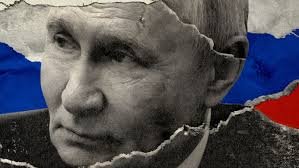
The Invisible Walls: Paranoia and Power in the Kremlin
In the corridors of power in Moscow, a climate of intense suspicion has taken hold. Recent reports from a European intelligence agency, obtained by CNN, reveal that Vladimir Putin has dramatically tightened his personal security protocols. This surge in protective measures isn’t just a routine update—it’s a reaction to a wave of high-profile assassinations within the Russian military and a growing fear of an internal coup.
The measures now in place paint a picture of a leader increasingly isolated from his own circle, transforming the Kremlin into a digital and physical fortress.
Strict Protocols: Life Under Constant Surveillance
The security crackdown extends far beyond the walls of the presidential palace. To prevent leaks and potential betrayals, the Kremlin has implemented several stringent rules for those in Putin’s immediate orbit:
- n
- Home Surveillance: Intelligence systems have been installed in the private residences of close staffers.
- Transport Bans: Bodyguards, cooks, and photographers are strictly prohibited from using public transportation.
- Digital Blackout: Staff members working closely with the president are restricted to using phones without internet access.
- Double Screening: Every visitor to the Russian chief must undergo a rigorous two-stage screening process.
A Life in Hiding: Bunkers and Pre-recorded Appearances
The physical movements of the Russian president have been drastically curtailed. According to the intelligence dossier, Putin and his family have abandoned their usual residences in the Moscow region and the secluded summer estate at Valdai.
More alarmingly, the report indicates that Putin has avoided military facilities entirely this year. To maintain the illusion of a “hands-on” leader, the Kremlin has reportedly been releasing pre-recorded images of the president to the public. When not appearing in these staged clips, Putin is said to spend weeks at a time in upgraded bunkers, particularly in the coastal region of Krasnodar, safely removed from the volatility of Moscow.
The Shadow of a Coup: Internal Friction and Betrayal
The tension within the Russian elite is reaching a breaking point. The report highlights a deep rift between the Federal Security Service (FSB) and the military command. Following the assassination of Lieutenant General Fanil Sarvarov in late 2025, a heated confrontation occurred between General Valery Gerasimov and FSB head Alexander Bortnikov, with Gerasimov criticizing the security services for their lack of foresight.
Central to the coup concerns is Sergei Shoigu, the former defense minister. Despite being sidelined, Shoigu retains significant influence over the military high command. The recent arrest of his close associate, Ruslan Tsalikov, is viewed as a breach of the “tacit protection agreements” among the elite, potentially pushing Shoigu toward a dangerous reversal of allegiance.
The Weight of War: Economic Strain and Public Dissent
The obsession with security is a direct reflection of the deteriorating situation resulting from the invasion of Ukraine. With staggering monthly casualties and limited territorial gains, the war’s toll is becoming unsustainable.
The economic impact is now hitting the urban elite—the pro-Putin bourgeoisie—through cellular data outages and economic instability. This internal pressure was recently evident in the decision to scale back the May 9 Red Square parade, removing heavy weaponry and missiles to minimize risks from long-range Ukrainian strikes.
Conclusion: A Fragile Empire?
While the Kremlin continues to project strength on the global stage, the intelligence reports suggest a different reality: one of paranoia, distrust, and a desperate attempt to maintain control. Whether these security measures are enough to prevent an internal collapse remains to be seen, but the walls around Vladimir Putin are certainly closing in.



