
The Breaking Point: Why India’s Youth are Taking to the Streets
For millions of young Indians, the path to a better life is paved with rigorous examinations. These tests are more than just academic hurdles; they are the primary gateway to social mobility. But what happens when the very system designed to ensure fairness becomes a source of betrayal? This is the spark that ignited the Cockroach Janta Party (CJP), a youth-led movement that has rapidly evolved into one of the largest student mobilisations in recent Indian history.
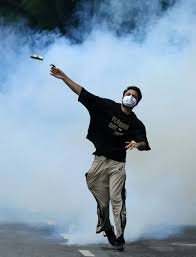
The unrest began not with a political manifesto, but with a shared fear: the repeated leaking of examination papers. When merit is sidelined by corruption, the future of an entire generation feels compromised. This frustration boiled over recently as tens of thousands of students marched toward India’s parliament, facing tear gas and baton charges in a desperate bid to be heard.
The Heart of the Movement: Beyond the ‘Cockroach’ Mascot
The CJP has captured public attention not only through its scale but through its resilience. At the forefront is activist Sonam Wangchuk, whose commitment to the cause was highlighted by a grueling 26-day hunger strike, during which he lost nearly 11kg. While Wangchuk has ended his fast, the momentum of the students remains unshaken.
Their demands are clear and urgent:
- Comprehensive education reforms to prevent future leaks.
- The resignation of Education Minister Dharmendra Pradhan.
- Greater state accountability in administrative governance.
Why This Protest is Different: Governance vs. Ideology
Unlike many of the major protests seen in India over the last decade—which often centered on citizenship laws, farming policies, or religious ideology—the CJP movement is distinct. According to experts, including those from the BBC and various think tanks, this is a battle against administrative failure.
This movement cuts across caste, class, and gender. It is not driven by a specific social group but by “aspirational young Indians” and their parents. For them, the issue isn’t about who is in power, but whether the government can actually govern. By focusing on the state’s inability to conduct fair exams, the CJP has challenged the ruling BJP’s core claim of efficient administration.
The Digital Tinderbox and the Physical Reality
The rapid spread of the CJP can be attributed to the architecture of social media. What started as viral memes and digital outrage quickly transitioned into physical street action. This “implosion” of frustration suggests that digital momentum is no longer just virtual—it is a powerful tool for real-world mobilization.
A Symptom of Deeper Economic Anxiety
While exam leaks were the catalyst, many analysts argue the protests reflect a deeper, systemic malaise. The youth are grappling with:
- A slowing national economy.
- A critical scarcity of high-quality jobs.
- A diminishing sense of hope for the future.
In response, Prime Minister Narendra Modi has promised “swift and stringent punishment” for those involved in paper leaks, announcing the creation of fast-track courts. However, the question remains: are legal punishments enough to fix a broken system?
Conclusion: A New Political Grammar?
Whether the Cockroach Janta Party becomes a lasting political force or fades as a momentary venting of anger is yet to be seen. However, it has already signaled a shift in how Indian citizens demand accountability. By moving the fight from the ballot box to the streets, India’s youth are calling for a “new political grammar”—one focused on delivery, fairness, and honest governance.



