
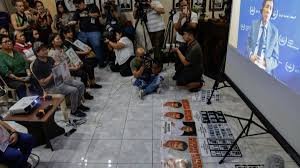
In a pivotal decision resonating across international legal circles and the Philippines, the International Criminal Court (ICC) Appeals Chamber has unequivocally denied former Philippine President Rodrigo Duterte’s request for release from detention. The Hague-based court, in its latest ruling, underscored grave concerns regarding the risk of flight and the potential for the accused to evade trial, marking a significant moment in the ongoing proceedings against him for alleged crimes against humanity.
The Appeals Chamber’s Unanimous Verdict
The ICC Appeals Chamber, presided over by Judge Luz del Carmen Ibanez Carranza, meticulously reviewed and subsequently rejected all three grounds presented by Duterte’s defense lawyers for his release. The unanimous confirmation of the impugned decision sends a clear message about the court’s steadfast commitment to ensuring justice. Key factors influencing the Chamber’s decision included:
- Risk of Flight: A primary concern was the strong likelihood that Duterte might attempt to flee jurisdiction if released, thereby jeopardizing the trial’s progress.
- Evasion of Trial: The Chamber assessed a considerable risk that the former president could find ways to evade legal proceedings.
- Political Influence: The court also highlighted Duterte’s past position as President of the Philippines and his current role as Mayor of Davao City, suggesting he could wield political influence to obstruct justice or intimidate witnesses.
This decision reaffirms an earlier October ruling that found Duterte likely to refuse to return for trial and potentially use his freedom to intimidate witnesses.
Allegations of ‘Crimes Against Humanity’ and the ‘War on Drugs’
At the heart of the proceedings are allegations by ICC prosecutors that Duterte was deeply involved in numerous killings during his controversial “war on drugs.” These alleged violent acts occurred first during his tenure as mayor of Davao City and later as President from 2016 to 2022. Court filings detail accusations that Duterte authorized and instructed “violent acts including murder to be committed against alleged criminals, including alleged drug dealers and users.”
Estimates of the death toll vary dramatically, with national police figures citing over 6,000 fatalities, while human rights organizations such as Human Rights Watch claim the figure could be as high as 30,000. These stark discrepancies underscore the brutal nature and widespread impact of the campaign.
Reactions: Victims’ Families vs. Duterte’s Camp
The decision has been met with contrasting reactions. The National Union of Peoples’ Lawyers (NUPL), representing the families of victims of the ‘war on drugs’, lauded the ruling. They emphasized that Duterte’s continued detention is “crucial for victims and witnesses to feel safe coming forward,” providing an assurance that he cannot “intimidate persons, interfere with evidence, or disrupt proceedings.” For many, this offers a beacon of hope for accountability.
Conversely, the Duterte family, through Vice President Sara Duterte, issued a statement accepting the decision “with peaceful hearts.” They affirmed their commitment to working with the defense team and continuing daily support for the former president, who has been detained at The Hague for over eight months since his arrest in March.
Health Claims and Political Maneuvers
Duterte’s legal team has previously argued for his release on humanitarian grounds, citing his alleged “infirm and debilitated” health and a decline in his “cognitive faculties,” suggesting he cannot effectively assist his lawyers. However, these claims have been challenged by family members who visited him in detention, reporting he is doing “well” and is “very engaged.” Notably, Vice President Sara Duterte had controversially suggested supporters should march to his detention centre for a “jailbreak” in a separate incident, further complicating perceptions of their position.
The Philippines’ withdrawal from the Rome Statute in March 2019, initiated by Duterte himself, was viewed by human rights activists as an attempt to evade accountability. However, the ICC’s jurisdiction over the alleged crimes against humanity dating from November 1, 2011, to March 16, 2019 (when the withdrawal took effect) remains unchallenged, a point reinforced by the court’s recent rejection of a challenge to its jurisdiction.
What’s Next for Duterte?
With the appeals process exhausted, the focus now shifts firmly to the trial phase. Kristina Conti, a leading human rights lawyer representing victims’ families, had expressed high confidence in the appeal’s rejection, citing “strong evidence why he should stay in jail.” This sentiment reflects the broader expectation that the legal battle ahead will be rigorous and closely watched globally.
The ICC’s consistent stance underscores the principle that no one is above the law, even former heads of state, especially when facing charges of such gravity. The international community, human rights advocates, and the families of victims will continue to monitor these proceedings intently, seeking accountability and justice for the alleged atrocities committed under the guise of the ‘war on drugs’.



