
The Assault on Global Justice: Understanding the US Campaign Against the ICC
The international legal order is facing a critical turning point. In a move that many legal scholars describe as a “lawless quest,” the Trump administration has intensified its crusade against the International Criminal Court (ICC). By imposing sanctions on senior court officials, the US is not merely engaging in a political dispute—it is actively attempting to shield American and Israeli officials from accountability for alleged war crimes.
The latest targets in this political vendetta include Tomoko Akane, the ICC President and chief judge from Japan, and Abdoulaye Seye, a senior trial lawyer from Senegal. These sanctions are designed to isolate jurists and obstruct the prosecution of high-ranking officials, signaling a dangerous shift in how the US views international law.
The Weaponization of Financial Sanctions
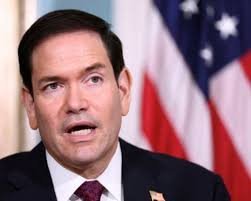
The sanctions imposed by the administration, championed by Secretary of State Marco Rubio, are not merely symbolic. They are designed to cripple the individuals’ ability to function in a modern economy. By cutting off access to credit cards and the global banking system, the US is using tools once reserved for terrorists and corrupt dictators to attack the very people tasked with upholding the Rome Statute.
Rubio has framed these actions as a defense of “American sovereignty.” However, this rhetoric raises a chilling question: Does sovereignty include the right to commit war crimes with total impunity?
Decoding the Legal Dispute: Territorial Jurisdiction
The core of the conflict lies in how the ICC obtains jurisdiction. To understand this, we must distinguish between two legal paths:
- n
- Nationality Jurisdiction: The court has power over citizens of countries that have joined the ICC. Since the US is not a member, it argues its citizens are exempt.
- Territorial Jurisdiction: The court has power over any crime committed on the territory of a member state, regardless of the perpetrator’s nationality.
This is where the Trump administration’s logic falters. Because Palestine is a member of the ICC, the court has the legal authority to investigate crimes committed on Palestinian territory. This allows the ICC to pursue charges against figures like Benjamin Netanyahu and Yoav Gallant for the alleged deliberate starvation of civilians in Gaza.
Interestingly, the US has supported this same logic in the past. For instance, the Biden administration called the ICC’s prosecution of Vladimir Putin (a non-member) for crimes in Ukraine (a member) as “justified.” The sudden shift in stance suggests that the opposition is not based on legal principle, but on political convenience.
The Global Ripple Effect and the Failure of the EU
While the US pressures other nations to withdraw from the court, the response has been mixed. Countries like Venezuela and Chad have announced their departure, though often for their own internal political reasons. However, the most disappointing response comes from the European Union.
The EU possesses a “blocking statute” specifically designed to protect European entities from the extraterritorial reach of US sanctions. Yet, fear of retaliation against Dutch banks—given that the ICC is based in The Hague—has prevented the EU from fully invoking these protections. When the rule of law is traded for financial stability, justice is delayed for the victims of mass atrocities worldwide.
Conclusion: The Stakes for Humanity
The campaign to dismantle the ICC “brick by brick” is an attack on the hope of millions who have no other recourse against unscrupulous leaders. If the world allows the normalization of sanctions against international judges, the message is clear: power overrides law.
For more information on the legal frameworks governing these cases, you can visit the official International Criminal Court website or explore human rights reports at Human Rights Watch.



