
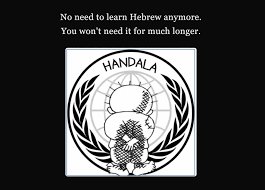
Handala, the barefoot Palestinian boy with his back turned, is arguably the most iconic and recognizable symbol of Palestinian identity and resistance. Created by the Palestinian cartoonist Naji al-Ali, Handala isn’t just a drawing; he’s a powerful visual narrative of displacement, resilience, and the ongoing struggle for self-determination.
The Origins of Handala
Naji al-Ali first introduced Handala in 1969 in the Kuwaiti newspaper Al-Siyasi. The character’s name, Handala, means “wild jasmine” in Arabic. Initially, Handala represented a young Arab child observing the political turmoil of the region. However, as al-Ali’s political consciousness deepened, so did Handala’s symbolism. He evolved from a general representation of Arab youth to specifically embody the Palestinian experience.
The Symbolism Behind the Barefoot Boy
Several key elements contribute to Handala’s potent symbolism. His perpetually turned back signifies a refusal to compromise or to be complicit with oppressive forces. He doesn’t look at the viewer, representing a rejection of external solutions imposed upon Palestinians. His simple clothing and, most notably, his bare feet symbolize the Palestinian people’s dispossession and their connection to the land. He is always depicted as a child, representing the lost innocence and the future stolen from generations of Palestinians.
Naji al-Ali and Handala’s Political Impact
Naji al-Ali used Handala to critique not only Israeli occupation but also the internal failings of the Palestinian leadership and the Arab world. His cartoons were often satirical and provocative, challenging the status quo and sparking debate. This outspokenness made him a target. He received numerous threats and was ultimately assassinated in London in 1987, a crime widely believed to be politically motivated.
Despite al-Ali’s death, Handala’s legacy continues to thrive. The character has become a ubiquitous symbol of Palestinian resistance, appearing on murals, posters, and social media. He represents a steadfast commitment to the right of return and the pursuit of a just and lasting peace. You can find more information about Naji al-Ali and his work at Naji al-Ali’s official website.
Handala Today: A Continuing Symbol
In the digital age, Handala has found new life online, becoming a powerful symbol for Palestinians and their supporters worldwide. The character’s image is frequently used in protests and campaigns advocating for Palestinian rights. Handala’s enduring appeal lies in his ability to transcend generations and to articulate the hopes, frustrations, and unwavering spirit of the Palestinian people. He remains a poignant reminder of a struggle that continues to this day. For further context on the Israeli-Palestinian conflict, resources like The Council on Foreign Relations provide valuable insights.



