
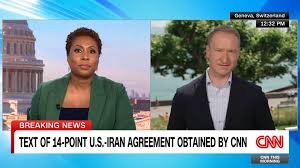
G7 Summit: Trump Unveils High-Stakes US-Iran Agreement to End Conflict
The global political landscape shifted significantly during the latest G7 Summit in France, as President Donald Trump revealed the framework of a potential peace agreement between the United States and Iran. This memorandum of understanding (MOU) aims to end years of hostility, stabilize global energy markets, and prevent a nuclear arms race in the Middle East.
The Core of the US-Iran Deal: Peace and Security
According to draft documents, the agreement focuses on several critical pillars designed to ensure regional stability and economic recovery. The most striking components include:
- n
- Nuclear Non-Proliferation: A formal commitment from Tehran stating that Iran will “never produce nuclear weapons.”
- Maritime Security: The immediate reopening of the Strait of Hormuz to return shipping traffic to pre-war levels within 30 days.
- Financial Relief: The US will provide sanctions waivers for Iranian oil exports, providing immediate economic breathing room for Tehran.
- The Development Fund: Potential access to a $300 billion reconstruction fund, though President Trump clarified that the US will not provide the capital; instead, it would be funded by external investors and the Gulf Coast coalition.
Trump’s ‘Dealmaker’ Diplomacy: Leverage and Warnings
President Trump maintained his signature assertive tone throughout the summit. He emphasized that while he seeks peace, the US remains ready to resume military action if the agreement collapses. During a press conference, Trump noted that the US could have continued bombing campaigns for years had this deal not been reached.
Interestingly, Trump framed his decision through an economic lens, citing a desire to avoid a financial catastrophe similar to the 1929 stock market crash. By comparing his approach to that of Herbert Hoover, Trump argued that economic stability is directly tied to diplomatic resolutions, noting that markets rally whenever peace talks progress.
Regional Ripples: Lebanon, Israel, and Hezbollah
The agreement extends beyond the US and Iran, aiming for a comprehensive ceasefire across all fronts, including Lebanon. However, this has created friction between the US and its allies:
- Israel’s Role: Trump expressed frustration with the Israeli military’s tactics against Hezbollah in Lebanon, suggesting that Prime Minister Benjamin Netanyahu could use a “softer touch” to avoid unnecessary destruction in Beirut.
- Lebanon’s Sovereignty: Lebanese President Joseph Aoun welcomed a ceasefire but emphasized that any final decision regarding the country’s future must be made by the Lebanese government, not foreign powers.
What’s Next? The Road to Bürgenstock
The diplomatic world is now looking toward Switzerland. The formal signing of the MOU is scheduled for Friday, June 19, at the luxurious Bürgenstock Resort. To ensure the safety of the event, Swiss authorities have implemented a strict no-fly zone and deployed approximately 2,000 soldiers.
While the agreement offers a glimmer of hope, maritime experts warn that returning the Strait of Hormuz to “normality” could take until the end of the year due to the complex process of removing naval mines.
For more information on the global coordination of the world’s largest economies, you can visit the official G7 portal.



