
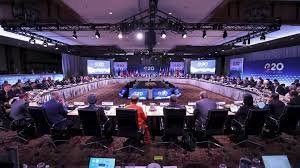
G20 Summit: Shaping the Future of Global Governance and Economy
In an era of unprecedented global volatility, the G20 Summit stands as the premier forum for international economic cooperation. Bringing together the world’s largest economies, this gathering is more than just a diplomatic meeting; it is where the blueprint for the global financial architecture is drawn and where the most pressing challenges of our time are addressed.
What Exactly is the G20 Summit?
The Group of Twenty (G20) is a consortium of 19 countries, the European Union, and the African Union. Together, these members represent around 80% of the world’s GDP and two-thirds of the global population. The primary objective of the G20 Summit is to stabilize the international financial system and foster sustainable growth through collaborative policy-making.
Core Pillars of the G20 Agenda
Every G20 Summit focuses on a set of strategic priorities that reflect the current state of the world. While the agenda evolves, several core pillars remain constant:
- n
- Global Economic Stability: Coordinating fiscal and monetary policies to combat inflation and prevent financial crises.
- Climate Action and Sustainability: Negotiating commitments to reduce carbon emissions and transition toward green energy sources to combat global warming.
- Health Security: Strengthening global health infrastructures to prevent future pandemics and ensure equitable vaccine distribution.
- Sustainable Development: Addressing the widening gap between developed and developing nations through debt relief and investment in infrastructure.
Why the G20 Matters for the Average Citizen
While the G20 Summit may seem like a high-level diplomatic event, its outcomes directly impact the daily lives of billions. Decisions made during these summits influence:
- n
- Consumer Prices: Agreements on trade and tariffs can lower the cost of imported goods.
- Employment Opportunities: Economic growth strategies often lead to new industries and job creation.
- Environmental Quality: Global pacts on pollution and deforestation contribute to a healthier planet for future generations.
Overcoming Geopolitical Tensions
One of the biggest hurdles for the G20 is the tension between major powers. From trade wars to territorial disputes, the summit serves as a critical venue for “corridor diplomacy,” where leaders can meet face-to-face to de-escalate conflicts that could otherwise destabilize the International Monetary Fund (IMF) projections for global growth.
Looking Ahead: The Future of Global Cooperation
As the world shifts toward a multipolar order, the G20 Summit continues to evolve. The inclusion of new members and the focus on digitalization and Artificial Intelligence (AI) governance show that the forum is adapting to the 21st century.
To truly understand the trajectory of our global economy, keeping an eye on the World Bank reports and the official G20 declarations is essential for any business leader, policymaker, or concerned global citizen.



