
Fuel Tax Relief: How Much Will Canadian Families Save with the New Federal Tax Suspension?
Dealing with the fluctuating cost of living is a challenge for many, and fuel prices are often at the center of the conversation. In a move to provide financial breathing room, the Canadian government has announced a strategic temporary suspension and reduction of federal fuel excise taxes. But what does this actually mean for your wallet?
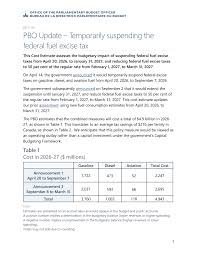
According to the latest cost estimate from the Parliamentary Budget Officer (PBO), these measures are designed to lower the cost of gasoline, diesel, and aviation fuel, providing much-needed relief to households across the country.
The Timeline: When Does the Fuel Tax Drop?
The tax relief isn’t a one-time event but a phased approach designed to stabilize costs over a specific period. Here is the breakdown of the schedule:
- n
- Full Suspension: From April 20, 2026, to January 31, 2027, federal excise taxes on fuel will be completely suspended.
- Partial Reduction: From February 1, 2027, to March 31, 2027, the tax will return but will be reduced to 50% of the regular rate.
Financial Impact: Who Benefits the Most?
The PBO estimates that the combined impact of these measures will cost the federal government approximately $4.9 billion for the 2026-27 fiscal year. For the average Canadian family, this translates to a welcome saving of about $276.
However, the savings are not distributed equally, as they depend heavily on fuel consumption patterns. The distributional analysis reveals a clear trend:
- n
- Lower-income families: Estimated savings of approximately $132 per family.
- Higher-income families: Estimated savings of up to $468 per family.
This disparity exists simply because higher-income households typically consume more fuel, thereby benefiting more from a per-litre tax reduction.
The Fine Print: Assumptions and Economic Models
It is important to note that these estimates rely on a few key assumptions. First, the PBO assumes a 100% pass-through rate, meaning that fuel corporations will pass the entirety of the tax savings directly to the consumer at the pump. If corporations retain some of these savings, the actual benefit to families could be lower.
Additionally, the analysis uses an updated model based on “economic families”—a statistical unit that better reflects modern household structures in Canada, utilizing the most recent data from Statistics Canada.
Final Thoughts
While the temporary suspension of the fuel tax provides a short-term cushion against inflation and high energy costs, its ultimate success depends on market behavior and the willingness of fuel providers to lower prices for the end consumer. For more detailed reports on government spending and economic forecasts, you can visit the official Office of the Parliamentary Budget Officer website.



