
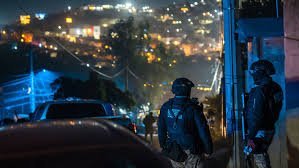
The Evolving Concept of the Frontera: More Than Just a Line on a Map
The word frontera, meaning “border” in Spanish and Portuguese, carries a weight that transcends simple geography. In the modern era, a frontera is not merely a physical demarcation between two nations; it is a complex intersection of politics, culture, economics, and human rights. As the world becomes increasingly globalized, the nature of these boundaries is shifting, creating new challenges and opportunities for international diplomacy.
The Geopolitical Tension of Modern Borders
For decades, the concept of the frontera has been central to national security and sovereignty. From the highly monitored borders of North America to the disputed territories in Europe and Asia, the management of these limits defines how a country interacts with the rest of the world.
Current geopolitical trends show a push-and-pull dynamic: while economic treaties encourage the free flow of goods and services, political movements often call for stricter border controls. This tension highlights the duality of the modern frontera—acting as both a bridge for trade and a barrier for people.
The Technological Frontier: Digital Borders
In the 21st century, the idea of a frontera has expanded into the digital realm. We are now witnessing the rise of “digital sovereignty,” where countries implement firewalls and data localization laws to protect their information space. This new kind of boundary is often invisible but just as restrictive as a physical wall.
Key technological shifts affecting borders include:
- Biometric Surveillance: The use of facial recognition and iris scans to automate border crossings.
- AI-Driven Monitoring: Implementing artificial intelligence to predict migration patterns and detect unauthorized crossings.
- Blockchain in Immigration: Exploring decentralized ledgers to secure identity verification for refugees and migrants.
The Human Element and Global Migration
Behind every political debate about the frontera lies a human story. Migration remains one of the most pressing issues of our time, driven by climate change, conflict, and economic instability. Understanding the human impact of border policies is crucial for creating sustainable global solutions.
According to the UNHCR (The UN Refugee Agency), the number of forcibly displaced people continues to rise, making the management of the frontera a matter of humanitarian urgency rather than just a legislative one.
Conclusion: Toward a More Integrated Future
Whether we are discussing the physical frontera or the boundaries of technology and law, the goal remains the same: finding a balance between security and openness. As we move forward, the most successful nations will be those that view their borders not just as walls to protect, but as gateways to collaboration and mutual growth.



