
The Spark in Marsberg: How a Few Words Triggered a Global Crisis
What started as a local visit to a school in the small town of Marsberg, Sauerland, has escalated into a full-blown diplomatic war. Chancellor Friedrich Merz, known for his directness, spoke a truth that resonated far beyond German borders, reaching the Oval Office in Washington and sending US President Donald Trump into a social media frenzy.
The catalyst? Merz’s blunt analysis of the US strategy regarding the conflict in Iran. By suggesting that the Americans lacked a clear strategy and that Iran was successfully leveraging negotiations—or the lack thereof—to humble a superpower, Merz hit a nerve that few dare to touch.
The Trump Retaliation: Social Media Warfare and Military Threats
President Trump, never one to shy away from a public confrontation, responded with a barrage of attacks on his own social media platform. The rhetoric quickly shifted from policy disagreement to personal insults, with Trump claiming that Merz “has no clue” and even falsely alleging that the German Chancellor supports Iran acquiring nuclear weapons.
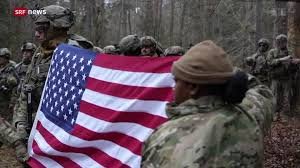
However, the consequences have moved beyond digital insults. In a significant strategic pivot, the US administration has announced the withdrawal of 5,000 US soldiers from the approximately 39,000 currently stationed on German soil. This move is widely seen as a direct “payback” for Merz’s candid criticism.
Beyond the Personal Clash: A Broader Geopolitical Shift
While the tension between Merz and Trump is the most visible element, this escalation is part of a larger, more complex trend. Several factors are contributing to the current instability:
- n
- NATO Friction: Trump has grown increasingly frustrated with NATO allies, feeling they are not contributing enough to the cleanup of the geopolitical mess left by the Iran conflict.
- The Russian Factor: Reports of lengthy communications between the US and Russian leadership suggest a shifting alliance that could leave Europe more vulnerable.
- Deterrence Erosion: A reduced US military presence in Germany weakens the strategic deterrence against potential aggressors in Eastern Europe.
The Economic Toll of Military Withdrawal
The withdrawal of US troops isn’t just a security concern; it’s a massive economic blow. US military bases are significant economic drivers in Germany. High-spending military personnel support local businesses and create thousands of jobs for German citizens.
Key locations facing potential impact include:
- Ramstein Air Base: The largest US Air Force base outside the US.
- EUCOM in Stuttgart: The hub of US European Command.
- Grafenwöhr: A critical US troop installation.
For the US, relocating these assets would be an expensive logistical nightmare. For Germany, it means a loss of revenue and a diminished security umbrella. As outlined by experts in NATO’s strategic frameworks, the synergy between US forces and European hosts is vital for regional stability.
Conclusion: A Lose-Lose Scenario
The clash between Friedrich Merz and Donald Trump serves as a cautionary tale about the intersection of candid diplomacy and volatile leadership. While Merz may have spoken the truth, the resulting “punishment” creates a vacuum that benefits adversaries like Vladimir Putin.
In the end, if these troop withdrawals are fully realized, there will be no winners—only a fragmented alliance and a more precarious security landscape for the Western world.



