
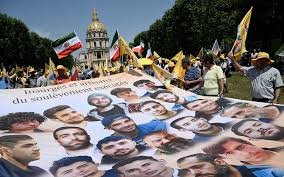
France and Iran: Navigating the Complexities of Modern Diplomacy
The relationship between France and Iran has long been a cornerstone of European diplomacy in the Middle East. Characterized by a delicate balance of economic interests and profound political disagreements, the interaction between Paris and Tehran continues to shape the geopolitical landscape of the region.
The Shadow of the JCPOA: Nuclear Ambitions and Diplomacy
At the heart of the France-Iran dialogue is the Joint Comprehensive Plan of Action (JCPOA). France, as one of the E3 nations (alongside the UK and Germany), has consistently played a pivotal role in trying to maintain the integrity of the nuclear deal. The goal has always been to prevent nuclear proliferation while fostering a stable international environment.
However, the path has been fraught with challenges. The shift in US policy and Iran’s subsequent increase in uranium enrichment have placed France in a difficult position: acting as a mediator while maintaining strict demands for transparency and verification.
Economic Interests vs. Political Tensions
Historically, French companies have sought to maintain a presence in the Iranian market, recognizing the country’s vast potential in energy and infrastructure. Yet, these economic interests often clash with the necessity of imposing sanctions to curb regional instability.
- n
- Energy Sector: France’s historical investment in oil and gas.
- Diplomatic Leverage: Using economic incentives to encourage diplomatic concessions.
- Human Rights: The recurring tension caused by France’s vocal criticism of Iran’s internal human rights record.
France as a Strategic Mediator
France often positions itself as a “bridge” between the West and the Middle East. By leveraging its diplomatic weight, Paris seeks to prevent a full-scale escalation of conflict. This is evident in their approach to regional security, where France advocates for a multilateral solution to tensions involving neighboring powers.
For more detailed insights into international treaties and nuclear monitoring, you can visit the International Atomic Energy Agency (IAEA), which provides the technical framework for these diplomatic negotiations.
Looking Ahead: The Future of France-Iran Relations
As the global political climate shifts, the relationship between France and Iran will likely remain volatile. The key to future stability lies in the ability of both nations to separate strategic security concerns from ideological differences.
Whether through the revival of nuclear agreements or the establishment of new diplomatic channels, the interaction between these two nations will remain a critical barometer for peace in the Middle East. For real-time updates on global diplomatic shifts, Reuters World News remains a primary source for verified reporting.



