
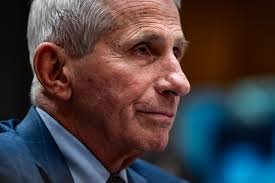
Fauci Pleads the Fifth: Breaking Down the Legal and Political Firestorm
In a move that has sent shockwaves through both political circles and the general public, the news that Dr. Anthony Fauci pleads the fifth has sparked an intense debate regarding accountability, transparency, and the legal protections afforded to government officials. For many, seeing a high-profile public health figure invoke constitutional protections during a congressional hearing is a rare and polarizing event.
What Does it Actually Mean to “Plead the Fifth”?
To understand the gravity of the situation, one must first understand the legal mechanism at play. The Fifth Amendment to the U.S. Constitution provides that no person “shall be compelled in any criminal case to be a witness against himself.”
When a witness invokes this right, they are essentially refusing to answer a question because the response could potentially be used as evidence to incriminate them in a criminal proceeding. While it is a fundamental legal right, in the court of public opinion, pleading the fifth is often misinterpreted as an admission of guilt, though legally, it is a shield against self-incrimination.
The Context: Why the Hearing Matters
The hearings involving Dr. Fauci have centered on several contentious issues, including:
- n
- The Origins of COVID-19: Questions regarding the “lab leak” theory versus natural zoonotic origin.
- Funding of Research: Investigations into whether U.S. grants funded gain-of-function research abroad.
- Policy Decisions: The rationale behind lockdowns and mask mandates that impacted millions of lives globally.
The decision to invoke the Fifth Amendment during these inquiries suggests a complex legal landscape where the intersection of public health policy and potential legal liability becomes precarious.
The Public and Political Fallout
The reaction to Dr. Fauci’s legal strategy has been deeply divided. Critics argue that as a public servant who led the nation’s response to a global pandemic, there is a moral obligation to provide full transparency, regardless of legal risk. They suggest that avoiding direct answers undermines public trust in scientific institutions.
Conversely, legal experts argue that any individual, regardless of their status, is entitled to the full protection of the law. They maintain that invoking the Fifth Amendment is a strategic legal move often advised by counsel to prevent the misinterpretation of testimony in a highly charged political atmosphere.
Broader Implications for Public Health Governance
This incident raises critical questions about how public health officials are held accountable. When the line between scientific advice and political directive blurs, the legal ramifications can be severe. For those following the developments via Congress.gov or other official records, the proceedings highlight the tension between executive privilege and legislative oversight.
As the debate continues, the core issue remains: how do we balance the legal rights of the individual with the public’s right to know the truth about a crisis that reshaped the modern world?
Final Thoughts
Whether you view the move as a necessary legal safeguard or a lack of transparency, the fact that Dr. Fauci pleaded the fifth marks a pivotal moment in the history of U.S. public health administration. It serves as a reminder that in the realm of high-stakes governance, the law often takes precedence over public expectation.



