
The Illusion of Control: Erin Burnett Breaks Down the Crisis in the Strait of Hormuz
In a striking critique of U.S. foreign policy, CNN star Erin Burnett has presented irrefutable evidence that the Trump administration’s claims regarding the Strait of Hormuz are far from the truth. While President Donald Trump has repeatedly asserted that the U.S. maintains “total control” over this critical waterway, recent events on the ground tell a very different story.
A Drone Strike That Spoke Louder Than Words
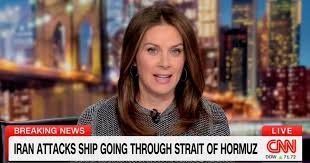
The tension reached a breaking point when Iran’s Islamic Revolutionary Guard Corps launched a drone attack on a cargo ship navigating the strait. This aggression came as a shock, occurring just a week after the U.S. and Tehran had purportedly agreed to work toward a peace deal, according to reports from The Wall Street Journal.
The attack occurred shortly after Iran’s paramilitary navy issued a stern warning: ships were to follow only the routes sanctioned by the regime. This move directly undermines the memorandum of understanding (MOU) signed earlier this month, which Trump claimed ensured the strait remained fully open.
“Now, obviously, if you have total control of the strait, other countries aren’t bombing ships in the strait,” Burnett noted, highlighting the glaring contradiction in the administration’s narrative.
The High Stakes of the 60-Day Deal
To understand the volatility of the region, it is essential to look at the fragile agreement currently in place. The 60-day deal aimed to reopen the strait under the following conditions:
- n
- Iran’s Commitment: To make every effort to ensure the safe passage of commercial vessels.
- U.S. Concession: Lifting the blockade of an Iranian port.
- Financial Incentives: The U.S. waived sanctions on Iranian oil sales, allowing Tehran to trade crude in dollars for the first time in decades.
President Trump was under immense pressure to stabilize the region, as the conflict had brought global shipping to a near standstill, creating a bottleneck for global oil supplies and causing prices to skyrocket worldwide.
Vague Promises and Nuclear Tensions
Critics have long argued that the deal provides concrete economic benefits to Iran in exchange for vague promises. Even allies of the president have admitted that this agreement is significantly weaker than the Obama-era Joint Comprehensive Plan of Action (JCPOA).
Beyond the immediate threat of drone strikes, Erin Burnett pointed out that the MOU is plagued by fundamental disagreements:
- Nuclear Inspections: Trump insists that inspectors must be allowed inside Iran; Tehran remains adamant that they will not be.
- Missile Programs: The Iranian president claims its missile program is not part of the deal, whereas Trump argues these missiles were a primary catalyst for the U.S. military intervention.
Final Verdict: A Shaky Peace
As the situation evolves, the reality remains that the U.S. may not have the leverage it claims. As Burnett concluded, Iran still maintains the ability to shut down the Strait of Hormuz whenever they choose, leaving the global economy vulnerable to the whims of the regime despite the official rhetoric coming from the Oval Office.



