
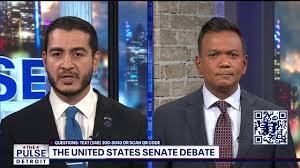
Empty Podium: Mike Rogers Skips Crucial Michigan Senate Debate
The road to the 2026 Midterms in Michigan just hit a major speed bump. In a move that has sparked intense political debate, Republican candidate Mike Rogers declined an invitation to face off against Democratic nominee Abdul El-Sayed during a highly anticipated debate hosted by FOX 2 on “The Pulse.”
While El-Sayed appeared in the studio to answer questions from metro Detroit residents, Rogers’ podium remained conspicuously empty, setting the stage for a clash of narratives before the candidates even shared a stage.
The Controversy: Why Did Mike Rogers Decline?
After 42 days of silence, the Rogers campaign finally issued a statement explaining their absence. The reason? Alleged media bias. According to Alyssa Brouillet, the campaign’s communications director, the decision was based on the choice of moderator, Roop Raj.
“Michiganders deserve to see their candidates engage in a healthy, fair debate — not one compromised by media bias,” the campaign stated, citing Raj’s previous praises of El-Sayed as a reason for the boycott.
In response, Roop Raj defended the station’s integrity, emphasizing that FOX 2 asks tough questions of both parties. He clarified that describing El-Sayed as “brilliant” was a reflection of his credentials as a Rhodes Scholar, not an endorsement of his political platform.
What This Means for the 2026 Midterm Race
This incident is more than just a skipped event; it is a glimpse into the volatile nature of the Michigan Senate race. Here are the key takeaways:
- n
- Candidate Contrast: Abdul El-Sayed, the progressive victor of the Democratic primary, is positioning himself as accessible and ready for scrutiny.
- Republican Strategy: Mike Rogers, who narrowly lost the 2024 race to Elissa Slotkin, is focusing on “working families” and attempting to frame El-Sayed as too radical for Michigan.
- The Stakes: With the U.S. Senate balance of power hanging in the balance, Michigan is a critical battleground state that could help determine which party holds the majority.
The Bigger Picture: The Fight for the Senate
The 2026 elections are occurring in a complex political climate. While Republicans currently hold a 53-47 majority, shifting economic dissatisfaction and fluctuating approval ratings have made the landscape unpredictable. For Democrats, picking up seats in states like Michigan is a primary path to reclaiming control.
Historically, the GOP has struggled in Michigan, with no Republican winning a Senate seat in the state since 1994. However, the party believes Rogers has a stronger shot this time around, especially as Democrats attempt to unify the progressive and moderate wings of their party.
What’s Next for the Candidates?
Despite the tension in Detroit, both candidates have agreed to a future encounter. A debate is scheduled for October 8 on WOOD TV8 on the west side of the state. The Rogers campaign has already labeled this as the “first debate” of the general election cycle.
As the November 3 election approaches, voters will have to decide if the strategy of skipping debates is a principled stand against bias or a missed opportunity to engage with the electorate. One thing is certain: the race for Michigan’s open Senate seat will be one of the most watched contests in the country.
Stay tuned for more updates on the Associated Press and local Michigan news outlets.



