
The Legal Clash: Is Dr. Anthony Fauci Heading for Prosecution?
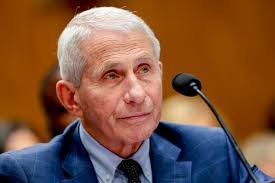
The political tension surrounding the COVID-19 pandemic response has reached a new boiling point. In a dramatic escalation, Senate Republicans are preparing to vote on holding Dr. Anthony Fauci in contempt of Congress. This move follows a fiery hearing where the former top health official declined to answer specific questions, sparking a heated debate over legal privileges and congressional authority.
At the heart of this conflict is the use of the subpoena process and the boundaries of witness testimony. As Republicans push for accountability, the discussion has expanded beyond the Senate, touching upon the potential involvement of the Justice Department and the scrutiny often seen when state attorneys general investigate federal officials.
The Fifth Amendment and the Contempt Controversy
During his testimony, Dr. Fauci repeatedly invoked his Fifth Amendment right, arguing that his responses could be weaponized for prosecution. This decision has outraged members of the Senate Homeland Security and Governmental Affairs Committee.
The Republican Argument
Committee Chairman Rand Paul (R-Ky.) has been one of the most vocal critics, asserting that Fauci’s refusal to answer constitutes an obstruction of a congressional investigation. Paul’s arguments center on two main points:
- n
- The Pre-emptive Pardon: Paul argues that a prior pardon from President Joe Biden should nullify Fauci’s ability to plead the Fifth.
- The Waiver Claim: Republicans contend that by providing an opening statement on the subject matter, Fauci effectively “waived” his right to remain silent during the subsequent questioning.
Expert Legal Perspectives: Is it a Valid Legal Move?
Not all legal experts agree with the Senate’s approach. Abbe Smith, a professor at Georgetown Law, suggests that the Republicans’ claims may be “specious.” According to Smith, an opening statement praising public service and accountability does not constitute a legal waiver of the Fifth Amendment, as it does not involve answering specific allegations.
Furthermore, the nature of “pre-emptive pardons” remains a legal gray area, with Smith noting that their extent of protection is not fully understood by the legal community.
A Personal and Political Vendetta?
The battle is not just about law; it’s deeply personal. Dr. Fauci and his legal team have characterized Senator Rand Paul’s pursuit as an “obsessive vendetta.” Fauci has claimed that the hearings are less about public health and more about a political campaign to see him “behind bars.”
What Happens Next?
If the contempt resolution passes, the committee has two primary paths:
- Direct Referral: Send the case directly to the Department of Justice.
- Full Senate Vote: Request that Senate Majority Leader John Thune hold a comprehensive vote.
The ultimate outcome depends on whether the U.S. attorney for the District of Columbia decides to pursue an indictment—a process that requires the approval of a grand jury.
As the legal tug-of-war continues, this case serves as a pivotal example of the friction between executive health leadership and legislative oversight in the United States. Whether through congressional subpoenas or the interest of state attorneys general, the quest for a definitive narrative on the pandemic’s handling continues to divide the nation.



