Donald Trump and X: Redefining the Digital Political Landscape
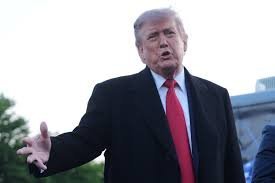
The Power Play: Donald Trump’s Strategic Return to X
In the fast-paced world of digital communication, few figures have mastered the art of the “viral moment” quite like Donald Trump. The relationship between Donald Trump and X (formerly Twitter) has always been more than just a social media presence; it is a central pillar of his political communication strategy.
After a period of platform migration and the launch of Truth Social, the synergy between Trump’s communication style and the current evolution of X—under the leadership of Elon Musk—has created a new dynamic in how political messages are delivered and consumed in the digital age.
The Synergy Between Trump and Elon Musk
The shift in X’s moderation policies has fundamentally altered the landscape for political discourse. The alignment between Musk’s vision of “absolute free speech” and Trump’s desire for an unfiltered channel to his supporters has amplified the reach of the former president’s messaging.
This partnership is not merely about platform access; it is about algorithmic influence. By utilizing X, Trump can bypass traditional media filters, delivering real-time updates, critiques, and campaign promises directly to millions of users globally.
How the ‘Donald Trump X Strategy’ Impacts Modern Campaigning
Trump’s approach to X serves as a blueprint for modern digital campaigning. Key elements of this strategy include:
- n
- Rapid Response: The ability to react to news cycles in seconds, shifting the narrative before mainstream media can frame the story.
- Direct Engagement: Creating a sense of intimacy and direct access between the candidate and the voter.
- Controversy as Currency: Using provocative statements to ensure high engagement rates, which in turn boosts visibility within the X algorithm.
- Mobilization: Using the platform to organize rallies and drive grassroots fundraising efforts.
The Broader Implications for Democracy and Media
The influence of Donald Trump on X raises critical questions about the role of social media in democratic processes. While supporters view it as a victory for free speech, critics argue that the lack of stringent moderation can lead to the rapid spread of misinformation.
To understand the broader context of how social media platforms handle political figures, it is essential to follow reports from high-authority sources like Reuters and the BBC, which provide comprehensive analysis on global digital governance.
Conclusion: The Future of Political Digital Discourse
Whether one agrees with his politics or not, the impact of Donald Trump on X is undeniable. He has proven that in the 21st century, the ability to control the digital conversation is just as important as policy platforms. As we move toward future election cycles, the evolution of X will likely continue to be a mirror reflecting the polarization and passion of modern politics.
📰 You May Also Like