
DOJ Releases List of ‘Politically Exposed Persons’ in Epstein Files
The Department of Justice (DOJ) has released a highly anticipated list of “politically exposed persons” (PEPs) found within the millions of documents related to its investigations into convicted sex offender Jeffrey Epstein. This release, mandated by the Epstein Files Transparency Act, has ignited a firestorm of debate and scrutiny.
What the DOJ Release Reveals
A six-page letter, obtained by CNN, details the names of numerous prominent individuals appearing in the files. It’s crucial to understand that the inclusion of a name does not indicate any direct involvement in Epstein’s crimes. The DOJ clarifies that the context of these appearances varies widely, ranging from extensive direct communication with Epstein or his associate Ghislane Maxwell to mere mentions in unrelated news articles.
The list encompasses a broad spectrum of figures, including former presidents, business leaders, government officials, and even deceased cultural icons like Princess Diana, Elvis Presley, and Michael Jackson. Notably, individuals previously linked to Epstein, such as former President Donald Trump, former President Bill Clinton, former Trump advisor Steve Bannon, former White House Counsel Kathy Ruemmler, and billionaire Les Wexner, are also included.
Controversy and Criticism
The release has been met with immediate criticism from both sides of the political aisle. Representative Ro Khanna, a co-author of the Transparency Act, accused the DOJ of “purposefully muddying the waters” by including individuals with only tangential connections to Epstein. Republican Representative Nancy Mace, a staunch advocate for Epstein survivors, expressed concern over “missing names” on the disclosed list.
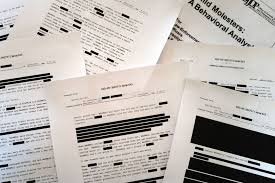
A significant point of contention is the DOJ’s continued redaction of information, citing reasons beyond the requirements of the Transparency Act, such as deliberative process, work product, and attorney-client privilege. This has fueled accusations that the department is attempting to shield powerful individuals from scrutiny. Victims of Epstein and members of Congress who reviewed unredacted versions of the documents have previously alleged that the DOJ was actively protecting influential figures, leading to demands for further transparency.
Understanding the Context
It’s vital to remember that appearing on this list does not equate to guilt or complicity. The DOJ letter explicitly states that the names appear in a “wide variety of contexts.” However, the release of these files undoubtedly raises questions and demands further investigation into the extent of Epstein’s network and the potential involvement of others. The ongoing scrutiny highlights the importance of accountability and transparency in cases involving such serious crimes.
For more information on the Epstein case and related investigations, you can refer to resources like the Department of Justice’s Epstein Case Page and reporting from reputable news organizations like CNN.



