
Diplomacy in the Gulf: Why Bahrain and US Allies are Critical to Middle East Stability
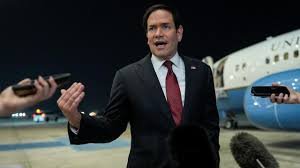
The geopolitical landscape of the Middle East is currently navigating a period of intense volatility. As the United States seeks to redefine its strategic footprint in the region, the role of Gulf allies—including Bahrain—has become more pivotal than ever. Recent diplomatic maneuvers, led by Secretary of State Marco Rubio, underscore a critical effort to reassure partners and maintain a fragile balance of power.
The Strategic Importance of Gulf Alliances
Secretary of State Marco Rubio’s recent tour of the Gulf is not merely a routine visit. It is a calculated diplomatic mission to address regional anxieties regarding the Iran deal and overall maritime security. For countries like Bahrain, these assurances are vital for national security and economic stability.
The primary objectives of this diplomatic push include:
- n
- Reinforcing Security Ties: Strengthening the military and political bonds between the US and its Gulf partners.
- Addressing Iran’s Influence: Managing the fallout of the Iran deal to prevent further escalation in the region.
- Maritime Sovereignty: Ensuring the freedom of navigation in critical waterways, which are essential for global trade.
The Strait of Hormuz: A Global Economic Chokepoint
One of the most pressing issues currently facing the international community is the tension in the Strait of Hormuz. Described by experts as a “test of wills,” the rival blockades between the US and Iran have created a high-stakes environment. The suspension of certain operations to guide ships through the strait highlights the precarious nature of energy security.
This volatility is further compounded by internal shifts in the region. In a surprising move that has sent ripples through the energy market, the United Arab Emirates (UAE) has announced its departure from the OPEC oil cartel after nearly 60 years, signaling a shift in how Gulf nations view their economic autonomy.
Crisis in Lebanon and the Israeli Conflict
While diplomacy focuses on the Gulf and Bahrain, the situation in Lebanon remains dire. Despite a US-brokered ceasefire, clashes between Israel and Hezbollah continue to erupt. Reports from the ground indicate that densely populated neighborhoods in southern Lebanon have been hit by strikes, leaving thousands in a state of uncertainty.
The human cost of these conflicts is stark. From the return of the Palestine Marathon in Bethlehem—a symbol of resilience—to the reports of civilian casualties in Iran, the region is grappling with a cycle of violence that diplomacy has yet to break.
Looking Ahead: Can Diplomacy Prevail?
The current state of affairs suggests that while military targets have been hit and borders contested, there is a latent desire for a solution. However, the gap between Washington’s terms and Tehran’s willingness to negotiate remains wide. The stability of the region depends heavily on the cohesion of the US-Gulf alliance, where Bahrain remains a cornerstone of strategic cooperation.
For more information on international diplomatic efforts, you can visit the official U.S. Department of State or explore the latest peace initiatives via the United Nations.



