Diego Garcia: A Paradise Lost and a Geopolitical Hotspot
Diego Garcia, a remote atoll in the central Indian Ocean, is far more than just a picturesque tropical island. It’s a territory steeped in controversy, a crucial strategic asset for the United States military, and a symbol of displacement for the Chagos Islanders, the original inhabitants who were forcibly removed from their homes in the 1960s and 70s. This article delves into the complex history, geopolitical importance, and ongoing struggle surrounding Diego Garcia.
A History of Colonialism and Displacement
Originally inhabited by the Chagos Islanders for generations, Diego Garcia became part of the British Indian Ocean Territory (BIOT) in 1965. The creation of BIOT was a calculated move by the British government, paving the way for the island to be leased to the United States for military purposes. Between 1968 and 1973, the vast majority of the Chagossian population – around 2,000 people – were forcibly evicted, often under deceptive pretenses. They were promised a return that never materialized. This forced removal has been widely condemned as a violation of international law and human rights. The story is a stark reminder of the often-brutal realities of colonialism and the prioritization of strategic interests over the rights of indigenous populations. You can learn more about the history of the Chagos Islands at [Chagos Refugee Group](https://chagosrefugeegroup.org/).
Diego Garcia and the US Military
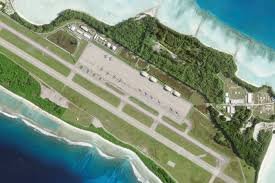
The US military presence on Diego Garcia is substantial. The island hosts a large naval facility and airbase, playing a critical role in US military operations in the Indian Ocean and beyond. Its strategic location makes it ideal for projecting power, conducting surveillance, and responding to crises in the region. Diego Garcia has been used in numerous conflicts, including the Gulf War, the War in Afghanistan, and the Iraq War. The base’s remote location and secure environment make it a valuable asset for sensitive military operations. The US maintains that the base is vital for regional security and counter-terrorism efforts. For further information on the US military presence, see [The Guardian’s coverage of Diego Garcia](https://www.theguardian.com/world/diego-garcia).
The Fight for Justice: The Chagos Islanders’ Struggle
The Chagos Islanders have been relentlessly fighting for their right to return to their homeland for decades. They have pursued legal challenges in both British and international courts, arguing that their forced removal was illegal and a violation of their human rights. In 2019, the International Court of Justice (ICJ) issued an advisory opinion stating that the UK’s administration of the Chagos Archipelago is unlawful. However, the UK has refused to relinquish control of the islands. The struggle continues, with the Chagos Islanders determined to reclaim their ancestral lands and secure justice for the wrongs committed against them. The case highlights the enduring legacy of colonialism and the importance of upholding the rights of displaced communities. You can support the Chagos Islanders’ cause through organizations like [UK Chagos Support Group](https://ukchagossupportgroup.org/).
Geopolitical Implications and Future Outlook
The future of Diego Garcia remains uncertain. The geopolitical landscape in the Indian Ocean is constantly evolving, with increasing competition between major powers. The island’s strategic importance is likely to grow in the coming years. The ongoing dispute over the Chagos Islands also has broader implications for international law and the rights of self-determination. A resolution that respects the rights of the Chagos Islanders and addresses the concerns of regional stakeholders is crucial for ensuring stability and promoting a just and equitable future for the region.