
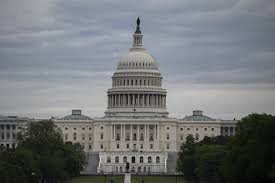
The High-Stakes Battle Over DHS Funding: A Government at a Crossroads
The United States is currently grappling with a political stalemate that threatens the very operational stability of the Department of Homeland Security (DHS). In a surprising turn of events, President Donald Trump’s budget office has urged House Republicans to consider a partial reopening of the department, even if it means proceeding without immediate new funding for immigration enforcement.
This development marks a potential shift in a monthslong impasse that has left the DHS in a precarious financial position. But as the pressure mounts, the divide between the House and the Senate remains deep.
The Core of the Conflict: Partial vs. Full Funding
At the heart of the issue is a fundamental disagreement over how to allocate resources. The Senate has proposed a compromise measure that would fund the DHS partially, ensuring that thousands of essential workers continue to receive their paychecks. However, this plan notably excludes specific allocations for ICE (Immigration and Customs Enforcement) and the Border Patrol.
For many House Republicans, this is a non-starter. They argue that any funding for the DHS must simultaneously include robust support for federal immigration enforcement. This internal GOP friction has left House Speaker Mike Johnson in a difficult position, balancing the demands of the White House against a fractious conservative wing.
The Real-World Impact: TSA Delays and Unpaid Workers
This isn’t just a political game of chess; the consequences are felt by citizens and employees alike. The current 74-day shutdown—the longest in U.S. history—has already caused significant disruptions:
- n
- Airport Chaos: TSA officers, facing missed paychecks, called out in record numbers, leading to hours-long screening delays across multiple major airports.
- Financial Strain: Tens of thousands of DHS employees have struggled to make ends meet during the standoff.
- National Security Risks: Security hawks within the GOP warn that the department could completely run out of operational funds within days.
The ‘One Big Beautiful Bill’ Lifeline is Running Dry
To prevent a total collapse, President Trump previously tapped into a $10 billion fund created by the One Big Beautiful Bill Act. This move allowed the government to pay back wages for February, March, and April, temporarily easing the tension at airports and border crossings.
However, this financial cushion is nearly gone. According to the White House budget office, less than $1.4 billion remains as of mid-April. DHS Secretary Markwayne Mullin has already warned that the funds to pay workers could evaporate by early May, bringing the crisis back to a boiling point.
What Happens Next?
The path forward remains murky. While the White House is pushing for a quick resolution before the House recess, senior Republicans suggest that the votes simply aren’t there to support a partial funding bill. Without “money in hand” for ICE and CBP, the deadlock is likely to persist.
For more information on the role of the department in national security, you can visit the official Department of Homeland Security website.
As the deadline looms, the question remains: will political compromise prevail, or will the longest shutdown in history plunge the nation’s security infrastructure into further turmoil?



