
Cuba’s Bold Shift: Unpacking the New Free-Market Economic Reforms
In a move that has sent shockwaves through the Caribbean and the international diplomatic community, Cuba’s Communist Party has approved a series of unprecedented free-market economic reforms. This emergency economic package, recently submitted to the National Assembly, marks a dramatic departure from the state-controlled model that has defined the island for decades.
Facing a cocktail of external pressures and internal systemic failures, the Cuban government is now opening doors that were previously bolted shut, signaling a pragmatic—and perhaps desperate—attempt to save its economy from total collapse.
The Pillars of Cuba’s Economic Transformation
The new package is not merely a set of tweaks; it is a comprehensive overhaul designed to inject liquidity and innovation into the economy. The key highlights include:
- n
- Expansion of Private Enterprise: Creating more opportunities for small and medium-sized private businesses to operate.
- Foreign Investment Incentives: New measures to attract international capital, specifically targeting the Cuban diaspora abroad.
- Real Estate Liberalization: Setting the stage for private real estate development across the island.
- Privatization of State Assets: Transforming state-owned businesses into private commercial ventures through shares and equity stakes.
- Financial Sector Openness: For the first time in generations, private banks will be allowed to enter a finance sector that was once exclusively state-dominated.
Why Now? Internal Failures and External Pressure
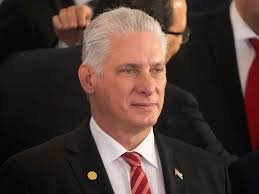
While Cuba has long pointed to the U.S. trade embargo as the primary culprit for its economic woes, President Miguel Diaz-Canel has taken a surprisingly candid tone. In a recent broadcast, he acknowledged that while external pressures are significant, domestic obstacles have played a critical role.
Diaz-Canel highlighted “slowness, bureaucracy, and norms that impede those who want to produce,” admitting that necessary decisions were postponed for too long. This admission of internal inefficiency underscores the urgency of these cuba free-market economic reforms.
Simultaneously, the pressure from the World Bank and other global economic observers suggests that without structural changes, the island’s sustainability is at risk. Furthermore, the European Union has recently ramped up its own pressure, passing resolutions calling for profound political and economic changes in response to government repression.
The Geopolitical Chess Match: Washington’s Reaction
The timing of these reforms coincides with an intensified pressure campaign from the United States. With the Trump administration blocking fuel deliveries and maintaining a strict embargo, Washington has hinted that economic liberalization could be the key to easing tensions.
U.S. Vice President JD Vance recently noted that the administration wants Cubans to be “happy and successful,” suggesting that if the Cuban government makes “smart decisions,” the relationship between the two nations could improve significantly.
Will the Reforms Succeed?
The path forward is not without friction. Diaz-Canel himself admitted that hardliners within the Communist Party may oppose these shifts. However, with the backing of former leader Raul Castro, the government seems determined to push through.
Whether these free-market economic reforms can coexist with a one-party communist state remains the ultimate question. What is certain, however, is that Cuba is entering a new era of economic experimentation that could redefine its future for generations to come.



