
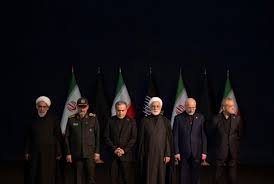
Tension in Tehran: A Regime Divided
The atmosphere in Tehran has reached a breaking point. What was meant to be a period of mourning for the late Supreme Leader Ali Khamenei quickly devolved into a theater of political warfare. During the funeral processions, the air wasn’t filled only with grief, but with chants of “death to the conciliator,” directed straight at President Masoud Pezeshkian.
The instability didn’t stop with the president. Abbas Araghchi, Iran’s lead diplomat who negotiated ceasefire terms and sanctions relief with the Trump administration, was forced to flee the funeral after a mob pelted him with stones, branding him a “traitor.” This violent friction reveals a deep, systemic fracture within the Islamic Republic.
The ‘Soft Coup’ Theory: Hardliners vs. Pragmatists
For months, a dangerous theory has been gaining momentum among the most radical factions in Iran. They believe that the visible leadership—those managing the day-to-day governance and diplomatic ties with Washington—is executing a “soft coup.”
The core of the grievance lies in the mysterious absence of the new Supreme Leader, Mojtaba Khamenei. While his father’s death has left a vacuum, Mojtaba has remained largely invisible, neither addressing the nation nor asserting his authority. This void has allowed figures like Mohammad Bagher Ghalibaf, Pezeshkian, and Araghchi to become the faces of post-war Iran.
Why the Hardliners are Furious:
- Betrayal of Ideals: The “Super-revolutionaries” believe that negotiating with the U.S. defies the revolutionary values of 1979.
- Power Grab: Accusations that the visible leadership is bypassing the Parliament to consolidate power through the Supreme National Security Council.
- Strategic Surrender: Hardliners view any agreement with the Trump administration as a surrender rather than a diplomatic victory.
Geopolitical Fallout and the Strait of Hormuz
This internal power struggle is not just a local affair; it has immediate global implications. The fragile ceasefire between Iran and the United States nearly collapsed recently after the Revolutionary Guard launched attacks in the Strait of Hormuz to assert maritime control.
These actions are widely seen as a move by the hardline factions to sabotage diplomacy and force the country back into a state of active conflict with Washington and Israel. For the ultra-conservatives, vengeance for the fallen leader is more important than economic relief from sanctions.
A Fractured Front: Can the Regime Hold?
While Donald Trump has frequently described the Islamic Republic as “seriously fractured,” some analysts argue that the regime remains united by a single goal: preserving the survival of the system and maintaining control over strategic waterways. However, the rhetoric is becoming increasingly lethal. Open threats against the President, such as those from religious singers linked to security apparatuses, suggest that the internal battle is moving from the halls of Parliament to the streets.
As the “Frente de la Resistencia” (Front of Resistance) continues to push for an aggressive military agenda, the world watches to see if the pragmatists can marginalize the radicals or if Iran will be pushed toward another inevitable confrontation.
To understand more about the complexities of Middle Eastern diplomacy, you can explore current reports on Reuters Middle East news.



