
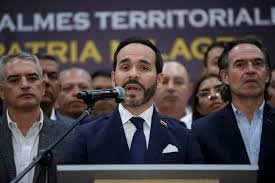
A New Era for Colombia: President-Elect Abelardo de la Espriella Signals a Hard-Right Pivot
Colombia is standing on the precipice of a profound political transformation. With the upcoming inauguration of Abelardo de la Espriella on August 7, the nation is preparing for a sharp departure from the previous administration’s policies. Backed by a strong right-wing mandate and explicit support from U.S. leadership, Espriella is already sketching a roadmap of diplomatic ruptures and strategic realignments.
Breaking Ties with ‘Tyrannies’
In a series of bold declarations on social media, the president-elect has made it clear that his administration will have no tolerance for regimes he classifies as tyrannies. The most immediate casualties of this stance will be the diplomatic relations between Colombia, Cuba, and Nicaragua.
Espriella has announced a sweeping overhaul of Colombia’s foreign presence, including the closure of 14 embassies and 15 consulates. While many of these closures are attributed to budgetary constraints and a desire to redirect funds toward national security, the total severance of ties with Havana and Managua marks a definitive ideological shift.
The ‘Trump Factor’ and the Shield of the Americas
The relationship between Colombia and the United States is entering a new, intensified phase. Having received significant support from Donald Trump during his campaign, Espriella is aligning Colombia closely with U.S. strategic interests. This is most evident in the announcement of a new office for the “Shield of the Americas” in Medellín—an alliance led by Trump specifically designed to combat narcotics trafficking in the region.
This alignment has not come without controversy. The outgoing left-wing president, Gustavo Petro, has harshly criticized the president-elect, claiming that Espriella “obeys directly the U.S. State Department” and accusing the U.S. administration of undue interference in Colombian domestic politics.
Global Realignment: From Jerusalem to Africa
Beyond the Americas, Espriella is redefining Colombia’s place on the world stage. Key changes include:
- n
- The Middle East: Reopening a diplomatic mission in Jerusalem and suspending the Colombian embassy in Palestinian Territories.
- Diplomatic Downsizing: Closing embassies in several nations, including Algeria, Haiti, Barbados, Hungary, Senegal, Ethiopia, and South Africa.
- European Efficiency: Unifying diplomatic representations in powerhouse nations like France and Italy to save costs.
A Region in Turmoil
Colombia’s internal shift occurs against a backdrop of extreme volatility across Latin America. From the devastating double earthquakes in Venezuela that left thousands dead and caused billions in damages, to the ongoing political battles in Brazil and Nicaragua, the region is grappling with instability. In this climate, Espriella’s hard-line approach seeks to position Colombia as a bastion of right-wing stability and a key U.S. ally in a fragmented hemisphere.
For more information on international diplomatic standards and regional stability, you can visit the Reuters world news section to track these evolving stories in real-time.



