
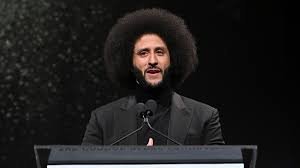
The Evolution of Colin Kaepernick: Why the NFL Icon Changed His Mind on Voting
For years, Colin Kaepernick has been a global symbol of resistance and social justice. From the moment he first took a knee during the national anthem to highlight systemic racism and police brutality, his actions sparked a worldwide conversation about power, oppression, and the role of athletes in politics. However, in his latest reflections, the former NFL quarterback reveals a significant shift in his approach to creating change.
The 2016 Stance: A Refusal to Participate
Back in 2016, the same year his protests became a flashpoint in American culture, Kaepernick took a hardline stance against the electoral system. During the presidential race between Hillary Clinton and Donald Trump, he famously abstained from voting. At the time, he viewed the act of voting as an endorsement of a flawed system.
“I think it would be hypocritical of me to vote,” Kaepernick stated back then, arguing that the system of oppression would not allow individuals to simply “vote their way out” of their circumstances. He criticized both candidates—labeling Trump as “openly racist” and criticizing Clinton’s past rhetoric regarding crime bills.
‘The Perilous Fight’: A Realization of Strategic Error
In his new memoir, “The Perilous Fight,” Kaepernick offers a candid retrospective on that decision. Rather than sticking to his previous narrative, he now describes his decision to avoid the polls as “irresponsible.”
Kaepernick explains that the aftermath of the 2016 election served as a wake-up call regarding the tangible impact of electoral politics. He points to specific systemic consequences, noting:
- n
- The Supreme Court: How judicial appointments shape the law for decades.
- Federal Judges: The direct influence of the judiciary on civil liberties.
- Legislative Impact: The reality that political strategy must sometimes supersede ideological purity to achieve real-world results.
He admits that while his intentions were right, his strategy was not, acknowledging that seeking the best path forward requires a pragmatic approach to power.
New Alliances and Political Inspiration
This evolution led Kaepernick to participate in the 2020 and 2024 presidential elections, casting his votes for Democrat candidates Joe Biden and Kamala Harris. Beyond the presidency, he is now looking toward grassroots and socialist leadership for inspiration.
Kaepernick has highlighted Zohran Mamdani, the 34-year-old socialist, as a leader who is truly “moving the needle.” According to Kaepernick, Mamdani’s commitment to prioritizing the needs of the people and holding leadership accountable is “refreshing” and essential for re-engaging disillusioned citizens.
Why This Matters for the Future of Activism
The journey of Colin Kaepernick reflects a broader transition in modern activism: the bridge between protest and policy. By encouraging others to engage in the political sphere, Kaepernick suggests that representation is the key to excitement and involvement.
When people see leaders who actually mirror their values and deliver on their promises, the barrier to political engagement drops. For Kaepernick, the fight for justice is no longer just about standing (or kneeling) against the system—it’s about actively working within it to dismantle oppression from the inside.



