Canada’s Trade War with Trump: Economic Stakes and the Jean Charest Perspective
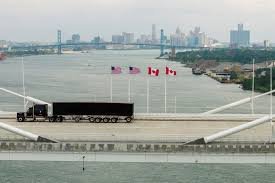
The Ticking Clock: Canada Braces for a $28 Billion Trade Shock
The tension between Ottawa and Washington has reached a fever pitch. With a deadline looming on August 19th, Canada is holding its breath as President Donald Trump prepares to implement a staggering 50% tariff on a wide array of Canadian goods, totaling approximately $28 billion.
Prime Minister Mark Carney has been engaged in a series of high-stakes, “intense and delicate” negotiations with the U.S. President. While the Canadian government maintains it is negotiating from a “position of strength,” the reality on the ground is far more precarious. Veteran political analysts and figures like Jean Charest have long understood that managing the volatile nature of U.S.-Canada relations requires a delicate balance of diplomacy and firm national interest—a balance Carney is now struggling to maintain.
Quebec Under Fire: The Regional Economic Impact
The anxiety is particularly acute in Quebec. Premiere Christine Fréchette has expressed deep concern, noting that the province’s economy is uniquely vulnerable. Currently, the effective tariff rate in Quebec stands at 7%, but it could skyrocket to 11% if the U.S. administration follows through with its threats.
- n
- Exports at Risk: Approximately 9% of Quebec’s exports are threatened.
- Financial Impact: An estimated $7 billion in value is on the line.
- Affected Sectors: Timber, cement, furniture, wine, spirits, and paper products are all in the crosshairs.
A Mutual Disaster: The U.S. Chamber of Commerce Weighs In
Interestingly, the alarm bells aren’t just ringing in Ottawa. The U.S. Chamber of Commerce, the world’s largest business organization, has urged the Trump administration to reach an agreement. According to Neil Herrington, the Chamber warns that these tariffs would be a double-edged sword, driving up the cost of living for American households and disrupting critical supply chains.
The risks extend beyond simple pricing; the stability of the Canada-United States-Mexico Agreement (CUSMA) is now under severe pressure, potentially endangering millions of jobs across North America.
The Deadlock: Autos, Lumber, and National Pride
Despite the urgency, an impasse remains. The primary sticking points include:
- The Automotive Sector: Disputes over existing tariffs on vehicles.
- Softwood Lumber: Washington’s refusal to reduce surtaxes on Canadian wood.
- Market Access: Canada has offered concessions on alcohol sales and dairy quota interpretations to appease the U.S., but these have yet to yield a full retreat from Trump.
Prime Minister Carney has signaled a firm stance, declaring that Canada remains “masters in our own house.” However, the Canadian Labour Congress, led by Bea Bruske, has cautioned that the government should not be afraid to walk away from a “bad deal” just to secure a quick victory.
Final Thoughts: The Road Ahead
As the August 19th deadline approaches, Canada faces a pivotal moment in its economic history. Whether the current administration can navigate this storm without sacrificing core industries remains to be seen. The legacy of past leaders, including the pragmatic approach often associated with Jean Charest, serves as a reminder that in trade wars, the most sustainable victories are those where both sides feel they have won.
📰 You May Also Like