
Standing Firm: Canada’s High-Stakes Strategy in the U.S. Trade War
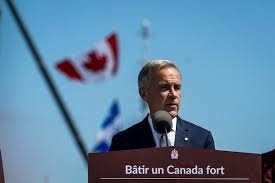
In a bold move that has captured the attention of global markets and analysts—often mirroring the urgency of CTV News breaking reports—Prime Minister Mark Carney has taken a definitive stand against the United States. Speaking from the Davie Shipyard in Levis, Quebec, Carney has signaled a shift in diplomacy: Canada will no longer simply acquiesce to the demands of the Trump administration.
For those familiar with the mercurial nature of Donald Trump’s trade policies, the strategy is clear. History suggests that giving in too early doesn’t lead to better treatment; instead, it often locks in concessions and invites even more aggressive demands. By retaliating against U.S. tariffs, Carney is employing a “hardball” strategy reminiscent of Ottawa’s successful approach during Trump’s first term.
The Risk of a “Bad Deal” vs. Long-Term Survival
While other global powers—including the European Union, Japan, and Britain—rushed to sign punitive deals to appease the U.S., Canada has chosen a more perilous but potentially more rewarding path. The difference lies in economic integration.
- n
- The EU Perspective: While tariffs on autos are difficult, they are survivable for a diversified bloc.
- The Canadian Reality: For Canada, the stakes are existential. Accepting unfavorable terms could mean the total collapse of the domestic automotive industry.
As Professor Nicolas Lamp, director of the Institute on Trade Policy at Queen’s University, notes, Canada is accepting short-term economic pain to avoid a “longer-term death” of its industrial core.
The Integration Paradox: Why Canada Has Leverage
Ironically, the very thing that makes Canada vulnerable—its deep economic ties to the U.S.—is also its strongest weapon. The U.S. economy relies heavily on Canadian petroleum and key raw materials. When Ottawa hits back, American consumers feel the pinch.
This interdependence explains why many Canadian and Mexican products under the USMCA (CUSMA) have seen exemptions or targeted relief. Unlike Japan, which may prioritize military security over trade tariffs, Canada’s primary battle is economic sovereignty.
A Strategy of Fluctuating Pressure
Carney’s approach hasn’t been without its contradictions. Over the last 18 months, Canada has made several concessions on issues like the Digital Services Act. However, when it comes to core trade, Carney has played a dangerous game of patience.
Last month, a potential agreement was on the table, but Carney pulled the plug at the last minute after the U.S. intensified its demands. This has left both nations in a state of frozen negotiations, with retaliatory tariffs remaining in full force.
What’s Next for Canada?
Canada now stands in contrast to Mexico, which has opted for a low-profile, non-confrontational approach. The world is watching to see which strategy yields better results. Will Carney’s defiance force the U.S. back to a fair bargaining table, or will Ottawa be left to absorb the escalating economic damage?
One thing is certain: in the world of trade with Donald Trump, the perceived weakness of a “quick deal” can be the most expensive mistake a country can make. For more updates on international trade and policy, stay tuned to high-authority sources like the World Trade Organization.



