
The High-Stakes Trade War: Canada vs. the United States
As trade tensions escalate between Canada and the United States, the atmosphere across Ontario is a mix of anxiety and strategic defiance. While many industrial hubs are bracing for the impact of aggressive tariffs, a specific sector is emerging as Canada’s strongest shield against economic pressure: the critical minerals industry.
For cities like Hamilton and Oshawa, the threat of US tariffs on steel and automotive parts feels existential. In these regions, the potential loss of thousands of jobs has created a climate of panic. However, in the heart of the North, the narrative is entirely different.
Sudbury: The Unshakable Mining Powerhouse
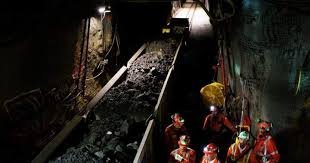
Greater Sudbury, Ontario’s mining capital, remains remarkably calm despite the geopolitical turbulence. The reason is simple: nickel and copper. These two key exports are not just commodities; they are strategic assets that the United States desperately needs for national security and high-tech manufacturing.
According to data from Natural Resources Canada, Ontario produces the lion’s share of the country’s nickel. The strategic importance of these minerals cannot be overstated:
- n
- National Security: The US Pentagon relies on these minerals for missiles, munitions, and military aircraft.
- Tech Innovation: Critical minerals are essential for EV batteries, including those used by industry giants like Tesla.
- Limited Supply: The US has very little domestic production, making them heavily dependent on Canadian exports.
A ‘Baseball Bat’ in Trade Negotiations
Ontario Premier Doug Ford has not minced words, suggesting that Canada could potentially restrict the flow of critical minerals if US tariffs continue to target Canadian industries. While some critics view this as mere rhetoric, economic experts suggest it is a calculated move. By positioning these minerals as leverage against US trade aggression, Canada transforms its economic position from a vulnerable partner to a strategic necessity.
Retired professor David Robinson aptly describes this strategy as moving from a “pencil to a baseball bat.” If the US were to impose tariffs on nickel, they would essentially be raising prices for their own manufacturers and jeopardizing their own supply chain security.
Beyond Mining: Diversification and Resilience
Sudbury’s resilience isn’t just about what is in the ground; it’s about how the city manages its economy. Unlike other municipalities that rely solely on a single industry, Sudbury has successfully diversified into financial services and other sectors. This diversification provides a critical buffer against the volatility of international trade markets.
Mayor Paul Lefebvre is currently pushing for a special economic zone designation to further boost infrastructure and attract international investment, ensuring that the region remains a global hub regardless of the political climate in Washington.
Final Thoughts: The Power Balance
The ongoing trade dispute highlights a fundamental truth about the North American relationship: interdependence. While the US may hold significant market power, Canada’s control over critical minerals provides a vital counterweight. As the world shifts toward a green energy economy, Canada’s ability to stand against unfair trade practices will depend on how effectively it leverages its natural wealth.



