Canada and the European Union: Forging a New Strategic Alliance for Economic Sovereignty
Canada and the European Union: Forging a New Strategic Alliance for Economic Sovereignty
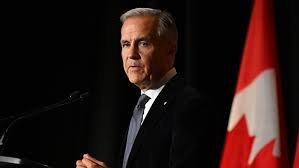
In an era of shifting global dynamics and rising protectionism, Canada is taking decisive steps to redefine its relationship with Europe. Prime Minister Mark Carney is leading a strategic push to accelerate negotiations with the European Union (EU), aiming to establish a “deepened partnership” that spans economics, digital innovation, and national defence.
This move isn’t just about diplomacy; it’s about ensuring Canada’s resilience in an increasingly unpredictable geopolitical landscape. By diversifying its allies, Ottawa is sending a clear signal: Canada is ready to expand its horizons beyond its traditional reliance on the American market.
Beyond Membership: A More Reliable Partnership
While some reports have speculated about Canada becoming an “associated member” of the EU, government sources clarify that the goal is not to become the 28th European state. Instead, the focus is on creating a stable, reliable, and flexible alliance. This includes more frequent high-level meetings and a closer coordination of strategic interests.
A significant milestone in this rapprochement is the European Parliament’s decision to open a satellite office in Ottawa, facilitating direct communication and synchronization on key global files without the need for formal EU membership.
Breaking the Digital Monopoly: The Quest for a Transatlantic Fiber Link
One of the most critical pillars of this new alliance is digital sovereignty. Currently, the vast majority of Canada’s communications with Europe and Asia flow through infrastructure owned by American giants like Alphabet (Google) and EXA Infrastructure.
As Professor Patrick Leblond from the University of Ottawa points out, this creates a significant economic security risk. To mitigate this, Canada and the EU are exploring the creation of direct, secure underwater fiber optic connections that bypass the United States entirely.
- n
- The Goal: Eliminate reliance on “American pipes” for transatlantic data.
- The Investment: Estimated costs could reach $200 million for the undersea cable alone, excluding land-based infrastructure.
- The Status: While the federal Ministry of Artificial Intelligence and Digital Innovation remains cautious, exploratory talks are actively underway.
Mutual Gains: Critical Minerals and Market Access
The attraction is mutual. For Canada, the EU offers access to a massive market of 450 million consumers. For the European Union, Canada is a goldmine of strategic resources.
According to Geneviève Tuts, the EU Ambassador to Canada, the Union is eager to reduce its dependence on Russian gas and Chinese critical minerals. Canada’s wealth of natural resources makes it an ideal partner to secure these essential supply chains, creating a symbiotic relationship based on shared values and economic necessity.
A Long-Term Vision Beyond the “Trump Effect”
While the current political climate in the U.S. under Donald Trump has accelerated these talks, experts warn against viewing this as a temporary reaction. Former Ambassador Stéphane Dion emphasizes that Canadian diplomacy must look beyond the current administration.
“The Canada-EU relationship must be built for the long term. Even after the current threats of tariffs or annexation subside, American protectionism will persist.”
The objective is to build a structural diversification of partners that ensures Canada’s sovereignty regardless of who occupies the White House.
What’s Next? The Canada-Europe Summit
The roadmap for this enhanced cooperation will be further detailed during the Canada-Europe Summit, scheduled for October 29 and 30 in Montreal. This event is expected to solidify the framework for this new era of transatlantic collaboration.
For more information on international trade agreements, you can visit the official Global Affairs Canada portal or explore the European Union’s official website to learn more about their external partnerships.
📰 You May Also Like