Bill 21 Quebec: Understanding the State Secularity Act and Its Controversies

Bill 21 Quebec: A Deep Dive into the State Secularity Act and Its Social Impact
In recent years, few legislative moves have sparked as much intense debate within Canada as Bill 21 in Quebec. Formally known as the State Secularity Act, this law has become a flashpoint for discussions regarding the intersection of government, religion, and individual human rights.
But what exactly is Bill 21, and why does it continue to divide public opinion across the province and the country? In this comprehensive guide, we break down everything you need to know about this landmark legislation.
What Exactly is Bill 21?
Passed by the National Assembly of Quebec, Bill 21 is a law that prohibits certain public servants from wearing religious symbols while performing their duties. The goal of the legislation is to ensure the neutrality of the state, adhering to the French concept of laïcité (secularism).
Unlike general secularism, which simply separates church and state, laïcité in the Quebec context implies a more rigorous requirement that public representatives remain visibly neutral to avoid any perception of religious bias.
Who is Affected by the Law?
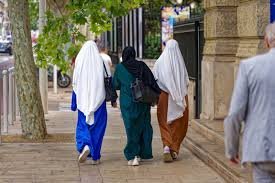
Bill 21 does not apply to every employee in the province. Instead, it targets specific positions of authority who represent the state. The prohibited symbols include hijabs, kippahs, turbans, crosses, and other visible signs of religious affiliation. The affected roles include:
- n
- Teachers: Specifically those in primary and secondary public schools.
- Police Officers: All members of law enforcement agencies.
- Judges: Including those in administrative tribunals.
- Government Lawyers: Those representing the state in legal proceedings.
The Great Debate: Secularism vs. Religious Freedom
The implementation of Bill 21 has led to a polarized environment. On one side, proponents argue that the law is essential for preserving Quebec’s unique identity and ensuring that public services are delivered without religious influence. They believe that the state should be a neutral space where no single faith is prioritized.
On the other side, critics—including human rights organizations—argue that the law is discriminatory. They contend that Bill 21 disproportionately affects minority groups, particularly Muslims, Sikhs, and Jews, effectively barring them from pursuing certain careers unless they abandon their religious identity.
For a deeper look at the legal implications, the Amnesty International Canada reports often highlight the concerns regarding the infringement of basic charter rights.
Legal Challenges and the Notwithstanding Clause
One of the most controversial aspects of Bill 21 is the use of the Notwithstanding Clause (Section 33 of the Canadian Charter of Rights and Freedoms). By invoking this clause, the Quebec government shielded the law from being struck down by courts based on violations of fundamental freedoms.
This legal maneuver has sparked a national conversation about the balance of power between provincial sovereignty and federal human rights protections. You can find detailed legal analyses of this mechanism through CBC News, which has closely tracked the judicial battles surrounding the act.
Final Thoughts: The Future of Laïcité in Quebec
Bill 21 remains one of the most complex social issues in modern Canada. As the province continues to navigate the tension between collective identity and individual liberties, the law serves as a reminder of the ongoing struggle to define what “neutrality” truly means in a multicultural society.
Whether viewed as a necessary step for state neutrality or a breach of human rights, the impact of Bill 21 Quebec will likely be felt for generations to come.
📰 You May Also Like