
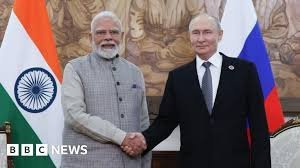
Beyond the Summit: Can PM Modi Bridge the Gap Between Peace and Power in Ukraine?
In the complex theater of global diplomacy, few voices carry as much weight—or face as much scrutiny—as that of Indian Prime Minister Narendra Modi. In a recent high-stakes interaction, Modi urged Russian President Vladimir Putin to bring an end to the devastating war in Ukraine, reminding the world that “every day spent in war pushes humanity back.”
But is this a genuine shift in geopolitical tides, or a calculated move in a larger game of strategic autonomy? Let’s dive into the nuances of this diplomatic dance.
The Call for Peace: More Than Just Words?
Modi’s plea for peace is not a new phenomenon. Since the full-scale invasion began in 2022, the Indian leader has consistently advocated for dialogue. This sentiment was first prominently displayed during a regional summit in 2022, where Modi famously told Putin that “now is not the time for war.”
However, interpreting these statements as a rejection of Russia would be a mistake. For India, the goal isn’t to take sides in a Western-led crusade, but to maintain a position of stability and peace that benefits the global economy.
The Balancing Act: India’s ‘Strategic Autonomy’
India finds itself in a unique position, balancing relationships between opposing global blocs. This strategy, known as strategic autonomy, allows Delhi to navigate the following contradictions:
- n
- The Russian Bond: Moscow remains a critical ally, providing approximately 40% of India’s defense imports and serving as a steady supplier of discounted oil.
- The Western Pivot: India is a key member of the Quad (alongside the US, Japan, and Australia), aiming to ensure a free and open Indo-Pacific.
- Multilateral Ties: As a founding member of BRICS and a member of the Shanghai Cooperation Organisation, India maintains a seat at the table with both Russia and China.
By refusing to explicitly condemn Russia while calling for peace, Modi ensures that India remains an indispensable partner to both the West and the East.
The Russian Response: Polite, Vague, and Non-Committal
When presented with Modi’s call for a cessation of hostilities, Vladimir Putin’s response was a masterclass in diplomatic ambiguity: “Thank you very much, prime minister. We are moving forward along this path.”
While the words sounded cooperative, analysts suggest there is little evidence of a change in Kremlin calculations. For Putin, “moving forward” likely means pursuing a military victory on his own terms. Despite significant losses and Ukrainian drone strikes hitting Russian oil refineries, the Russian leadership appears convinced that time is on their side.
The Global Impact: Why This Matters
The world is watching these interactions closely because India is simply too large an economy to be ignored. While Western capitals have pushed for a clearer stance, they continue to court Modi, recognizing India’s role as a potential mediator.
As the conflict persists, the tension between military objectives and diplomatic appeals continues to mount. For more information on international peace efforts, you can visit the United Nations official website.
Final Thoughts
Will a future summit finally bring the parties to the negotiating table? While Modi’s appeals provide a glimmer of hope, the reality on the ground remains grim. For now, the “path to peace” remains long, winding, and dictated by the brutal logic of war.



