
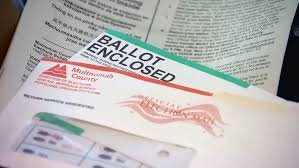
The Legal Clash Over Mail-in Voting Access
A significant legal battle is unfolding in the federal courts as Oregon Attorney General Dan Rayfield, alongside attorneys general from 23 other states, moves to permanently block a controversial executive order issued by President Donald Trump. The coalition, which includes powerhouses like California and Washington, argues that the order unlawfully restricts the ability of citizens to vote by mail.
At the heart of the dispute is Executive Order No. 14399, a directive designed to tighten voting rules. Opponents claim these measures do more than just “secure” elections—they actively undermine voting access for millions of Americans.
Why the Executive Order is Under Fire
The coalition of states has filed a motion for summary judgment, asserting that the president lacks the constitutional authority to unilaterally alter the rules governing federal elections. Attorney General Rayfield has been particularly vocal about the role of the postal system in this conflict.
“President Trump wants to turn letter carriers into election gatekeepers – and that’s not a role the Postal Service was built for, not a power the federal government has, and not something Oregon will accept,” stated Rayfield.
The legal challenge suggests that the order is part of a broader effort to cast doubt on the legitimacy of election systems that do not align with the administration’s preferences.
Oregon: A Pioneer in Mail-in Voting
Oregon is no stranger to this system; in fact, it was the first state in the U.S. to adopt universal mail-in voting after a ballot measure passed in 1998. According to the Oregon Secretary of State’s Office, decades of data and rigorous audits prove that mail-in voting is:
- n
- Secure: Multiple layers of verification protect the process.
- Accurate: Results consistently align with voter intent.
- Fair: It increases accessibility for disabled and rural voters.
Critics of the executive order warn that if the restrictions remain in place, it could lead to widespread voter disenfranchisement.
The White House Defense
The Trump administration maintains that the order is a necessary step to ensure election integrity. White House spokesperson Abigail Jackson defended the move, stating that the President was elected to secure American elections and ensure that only eligible citizens cast their ballots.
For more information on the legal framework of US elections, you can visit the official USA.gov Voting portal to understand your rights and responsibilities.
What Happens Next?
The legal timeline is now set. The Trump administration has until May 7 to file its official response to the motion. A critical court hearing to decide the fate of the executive order is scheduled for June 2.
As the country watches, this case will likely define the boundaries between presidential authority and state-led election administration.



