
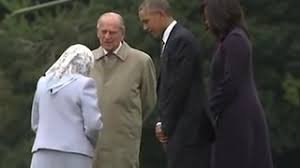
Barack Obama. The name resonates with history, hope, and transformative leadership. Serving as the 44th President of the United States from 2009 to 2017, Obama wasn’t just the first African American to hold the office; he was a symbol of a changing America, a beacon of possibility for a generation. But his story extends far beyond the eight years in the White House. This article delves into the life, legacy, and continuing impact of Barack Obama.
Early Life and Rise to Prominence
Born in Honolulu, Hawaii, in 1961, Barack Obama’s early life was marked by a unique multicultural experience. His mother, Ann Dunham, was an American anthropologist, and his father, Barack Obama Sr., was a Kenyan economist. This diverse background profoundly shaped his worldview. He spent part of his childhood in Indonesia with his mother and stepfather, before returning to Hawaii for his education.
Obama’s path to politics wasn’t immediate. He graduated from Columbia University and later Harvard Law School, where he served as the first African American president of the Harvard Law Review. After graduating, he worked as a community organizer in Chicago, focusing on issues of social and economic justice. This experience laid the foundation for his future political career, instilling in him a deep understanding of the challenges faced by everyday Americans.
The Historic Presidency (2009-2017)
Obama’s 2008 presidential campaign was a phenomenon. His message of “Hope and Change” resonated with voters across the country, particularly during a time of economic uncertainty and political division. His victory was a watershed moment in American history.
- Affordable Care Act (ACA): Perhaps his most significant legislative achievement, the ACA expanded health insurance coverage to millions of previously uninsured Americans. Healthcare.gov provides detailed information about the ACA.
- Economic Recovery: Obama inherited an economy in crisis. His administration implemented the American Recovery and Reinvestment Act of 2009, a stimulus package designed to boost economic growth and create jobs.
- End of the Iraq War: Obama fulfilled a campaign promise by ending the U.S. military involvement in Iraq.
- Killing of Osama bin Laden: In 2011, U.S. Navy SEALs conducted a raid that resulted in the death of Osama bin Laden, the leader of al-Qaeda.
- LGBTQ+ Rights: Obama oversaw the repeal of “Don’t Ask, Don’t Tell,” allowing openly gay, lesbian, and bisexual individuals to serve in the military, and publicly supported same-sex marriage.
His presidency wasn’t without its challenges. He faced fierce opposition from Republicans in Congress, economic headwinds, and complex foreign policy issues. However, he navigated these obstacles with a calm demeanor and a commitment to his principles.
Life After the White House: Continuing Impact
Since leaving office, Barack Obama has remained a prominent figure on the world stage. He and his wife, Michelle Obama, established the Obama Foundation, dedicated to inspiring and empowering the next generation of leaders. The foundation focuses on initiatives in areas such as civic engagement, leadership development, and global challenges. The Obama Foundation website provides details on their work.
Obama has also authored several books, including his critically acclaimed memoir, *A Promised Land*. He continues to speak out on important issues, advocating for democracy, climate action, and social justice. His ongoing influence demonstrates the enduring power of his vision and leadership.
Barack Obama’s legacy is complex and multifaceted. He broke barriers, inspired millions, and left an indelible mark on American history. His story serves as a reminder that with courage, determination, and a commitment to service, anything is possible.



