
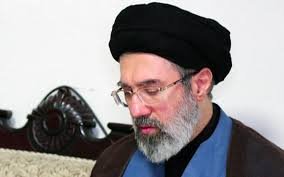
The term “Ayatollah” often surfaces in discussions about Iran, but what does it truly signify? Beyond being a title, it represents a position of significant religious and political authority within the Islamic Republic. This article delves into the history, powers, and influence of the Ayatollah, particularly focusing on the current Supreme Leader, Ayatollah Ali Khamenei.
What Does ‘Ayatollah’ Mean?
“Ayatollah” isn’t a title bestowed lightly. It’s an honorific title given to high-ranking Shia Muslim clerics who have demonstrated exceptional knowledge of Islamic law and jurisprudence. It literally translates to “Sign of God.” Becoming an Ayatollah requires years of rigorous study and a deep understanding of religious texts. It’s a rank achieved through scholarly consensus, not appointment.
The Ayatollah in Iranian Politics
In Iran, the position of Supreme Leader, currently held by Ayatollah Ali Khamenei, is the most powerful political and religious role in the country. This position was established during the 1979 Iranian Revolution, with Ayatollah Ruhollah Khomeini becoming the first Supreme Leader. The Supreme Leader oversees all branches of government, including the military, judiciary, and executive branches. They have the final say on all major decisions, including foreign policy and national security.
The powers of the Supreme Leader are enshrined in the Iranian constitution. They appoint the heads of the major state institutions, ratify presidential elections, and can even dismiss the President. This significant authority stems from the concept of Velayat-e Faqih (Guardianship of the Jurist), a core tenet of Iranian political thought which posits that a qualified Islamic jurist should rule until the return of the Hidden Imam.
Ayatollah Ali Khamenei: The Current Supreme Leader
Ayatollah Ali Khamenei assumed the position of Supreme Leader in 1989, following the death of Ayatollah Khomeini. His leadership has been marked by a continuation of the Islamic Republic’s core principles, alongside navigating complex geopolitical challenges, including international sanctions and regional conflicts. He plays a crucial role in shaping Iran’s relationship with the world, particularly concerning its nuclear program and its support for regional allies.
Influence and Criticism
The Ayatollah’s influence extends far beyond Iran’s borders. He is a significant figure in the Shia Muslim world, and his pronouncements often carry weight with Shia communities across the Middle East. However, the position and the Ayatollah himself are subject to considerable criticism, both domestically and internationally. Concerns are often raised regarding human rights, political freedoms, and Iran’s foreign policy. Organizations like Human Rights Watch consistently document alleged abuses.
Understanding the role of the Ayatollah is crucial for comprehending the complexities of Iranian politics and its place in the global landscape. It’s a position steeped in religious tradition, political power, and ongoing debate.



