
Ayatollah: A Deep Dive into the Escalating Conflict and its Global Impact
The situation in the Middle East remains highly volatile, with recent events marking a significant escalation in tensions. Initial strikes, beginning on February 28th, targeted Iran’s leadership and military infrastructure, tragically resulting in the death of the Supreme Leader of Iran, Ayatollah Ali Khamenei, in Tehran. This event has triggered a cascade of retaliatory actions and heightened global concerns.
Initial Strikes and Retaliation
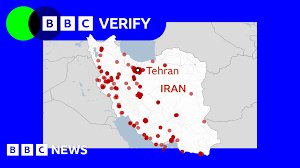
The first US-Israeli strikes on Iran aimed at crippling its leadership and military capabilities. Israel’s military confirmed targeting key infrastructure. In response, Iran has launched a series of missile and drone strikes against Gulf nations, specifically targeting energy facilities. The attack on Iran’s South Pars gas field, one of the world’s largest, caused extensive damage, as confirmed by satellite imagery reviewed by BBC Verify. Furthermore, attacks on shipping in the Strait of Hormuz have disrupted vital trade routes.
Humanitarian Crisis and Casualties
The conflict has had a devastating impact on civilians. The US-based Human Rights Activists News Agency (HRANA) reports over 1,407 fatalities, including 214 children, since the conflict began. Tragically, at least 168 people, including children, were killed in a strike on a primary school in Minab, southern Iran. Analysis of video footage suggests a US Tomahawk missile was used in the attack, a weapon not known to be possessed by either Israel or Iran. In Lebanon, over 1,000 people have been killed, including 118 children and 40 health workers, following the death of Ayatollah Khamenei and subsequent attacks by the Israel Defense Forces (IDF) against Hezbollah.
Threats and Diplomatic Maneuvering
US President Donald Trump initially threatened to “obliterate” Iran’s power plants if the Strait of Hormuz wasn’t reopened. However, he later postponed any strikes for five days following what he described as “productive conversations.” Iran responded by stating it would close the shipping channel if the US followed through on its threat. The potential disruption to the Strait of Hormuz, a critical waterway for global oil supplies, raises serious economic concerns. Qatar relies on desalination for 99% of its drinking water, and Bahrain for over 90%, making these facilities potential targets.
Energy Infrastructure Under Attack
Iran’s energy network, comprising approximately 500 power plants, has become a focal point of the conflict. The Damavand power plant, providing electricity to approximately 10 million people in Tehran, is a particularly vulnerable target. Recent attacks on Qatar’s Ras Laffan Industrial City, its main gas facility, have already reduced export capacity by 17%. The conflict poses an “imminent danger” to global energy supplies, according to President Ferdinand Marcos Jr.
Escalation and International Response
Israel has intensified its ground and air attacks against Hezbollah in Lebanon, while Iran continues to launch missile strikes. The IDF has instructed its forces to destroy crossings over the Litani river used by Hezbollah. The situation remains fluid and unpredictable, with the potential for further escalation. The international community is closely monitoring the developments and urging restraint. For further insights into the conflict, consider exploring resources from the Council on Foreign Relations and Center for Strategic and International Studies.
Disclaimer: This article provides a summary of events as reported by various sources as of the current date. The situation is rapidly evolving, and information may change.



