
Autopen Controversy: Trump’s Claims Reignite Debate Over Presidential Signatures and Executive Authority
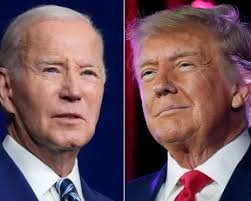
In a recent political bombshell, former U.S. President Donald Trump has reignited a contentious debate surrounding the use of the autopen, a mechanical device designed to replicate signatures. His latest claims target his successor, Joe Biden, alleging that the current president did not personally sign off on a significant number of executive orders and directives, thereby rendering them invalid. These assertions have sent ripples through the political landscape, prompting discussions about presidential powers, the legitimacy of executive actions, and the historical use of this peculiar presidential tool.
The Autopen: A Presidential Tool with a Long History
For decades, the autopen has been a discreet yet essential instrument in the White House, employed by U.S. presidents across administrations to sign official documents, correspondence, and even legislation. Invented in the early 20th century, this sophisticated machine precisely reproduces a handwritten signature, allowing a president to manage the immense volume of paperwork inherent to the office without physically signing each item.
Its use is not without precedent; numerous presidents, including Barack Obama, George W. Bush, and even Donald Trump himself during his term, have utilized the autopen for various purposes, particularly when away from Washington or to expedite the signing of non-controversial documents. It serves as a practical solution to the sheer administrative demands of the highest office, ensuring government operations continue smoothly. To learn more about its history, you can explore resources on its use in the presidency, such as articles from reputable news organizations like NPR’s ‘The History Of The Autopen’.
Donald Trump’s Baseless Allegations Against Biden
Trump’s recent social media posts have brought the autopen back into the political spotlight with a series of unfounded accusations. He claimed that “radical left lunatics” within the Biden administration used the autopen without President Biden’s explicit approval, effectively taking the presidency away from him. Trump went further, alleging that approximately 92% of Biden’s executive orders were therefore invalid and that if Biden were to claim involvement, he would face perjury charges.
These claims are an extension of Trump’s recurring narrative suggesting President Biden was not fully in charge by the end of his term, and that his cognitive state allowed aides to wield undue influence. While highly publicized, these allegations have been presented without any concrete evidence to substantiate the assertion that Biden’s approval was bypassed or that his signature was forged for executive actions.
Political Fallout and Republican Support
Trump’s assertions quickly garnered support from conservative factions. The Oversight Project, a branch of the Heritage Foundation known for its aggressive scrutiny of the Biden administration, publicly thanked Trump for “taking our historic Autopen investigation and findings seriously.” Similarly, Republican Congressman James Comer, chair of the House oversight committee, echoed these sentiments, declaring Biden’s autopen actions “NULL AND VOID.”
These groups have previously released reports focusing on Biden’s autopen use, often alleging a “cover-up of the president’s cognitive decline.” However, these reports have consistently failed to provide any verifiable evidence of aides conspiring to enact policies without the President’s knowledge or consent, instead relying on contested claims about his mental state.
Legal Perspectives and Counterarguments
In stark contrast to these claims, Democratic lawmakers on the oversight committee have dismissed the Republican reports as a “sham,” highlighting the glaring absence of supporting evidence for the allegations. Legal experts have also weighed in, cautioning against any attempts to unilaterally void past executive actions based on autopen use.
The established legal precedent acknowledges the legitimacy of documents signed via autopen when authorized by the president. Undermining this practice without proof of unauthorized use could set a problematic and destabilizing precedent for future administrations and presidential powers. The process of issuing executive orders is well-defined, and their legal standing is robust. For more on how executive orders function, you can refer to official government resources like those from the National Archives on Presidential Executive Orders.
What This Means for Future Administrations
The controversy surrounding the autopen and President Biden’s executive orders underscores the intricate balance of power and responsibility within the U.S. presidency. While Trump’s claims add another layer to the highly polarized political discourse, the historical context and legal framework surrounding presidential signatures remain clear: the authorized use of an autopen is a recognized and accepted practice.
The ongoing debate highlights the importance of evidence-based discourse in politics. Without concrete proof of malfeasance, these allegations risk eroding public trust in governmental processes and creating unnecessary challenges to the legitimate exercise of presidential authority. As the U.S. approaches another election cycle, the autopen debate serves as a reminder of the unique pressures and scrutiny faced by those in the nation’s highest office.



