Winter weather can be unpredictable, and when a yellow advisory for blowing snow is issued, it’s crucial to understand the risks and take necessary precautions. This advisory, issued by Environment Canada, signals potentially hazardous travel conditions and requires heightened awareness.
What Does a Yellow Advisory for Blowing Snow Mean?
A yellow advisory indicates that blowing snow is expected to reduce visibility. This isn’t necessarily a blizzard, but conditions can still be dangerous. Reduced visibility makes driving difficult and can lead to accidents. The advisory is issued when visibility is expected to be reduced to 800 meters or less due to blowing snow. It’s a warning to be prepared and adjust your plans accordingly.
Understanding the Risks of Blowing Snow
Blowing snow isn’t just about reduced visibility. Here’s a breakdown of the risks:
- Reduced Visibility: The primary hazard, making it difficult to see other vehicles, pedestrians, and obstacles.
- Dangerous Driving Conditions: Snowdrifts can form quickly, making roads slippery and difficult to navigate.
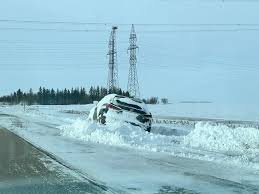
- Stranding Risk: Vehicles can become stuck in snowdrifts, leaving occupants stranded in cold temperatures.
- Hypothermia: Exposure to cold temperatures and wind chill can lead to hypothermia, especially for those stranded outdoors.
Safety Tips During a Yellow Advisory for Blowing Snow
Your safety is paramount. Here are essential tips to follow when a yellow advisory – blowing snow is in effect:
- Consider Postponing Travel: If possible, delay your travel until conditions improve.
- Check Road Conditions: Before heading out, check the latest road conditions on Ontario 511 (or your provincial equivalent).
- Drive Slowly and Carefully: If you must drive, reduce your speed significantly and increase your following distance.
- Use Headlights: Turn on your headlights, even during daylight hours, to improve visibility.
- Be Aware of Wind Direction: Pay attention to the wind direction, as this will indicate where snowdrifts are likely to form.
- Prepare an Emergency Kit: Keep a winter emergency kit in your vehicle, including a blanket, flashlight, first-aid kit, snacks, and a cell phone charger.
- Let Someone Know Your Plans: Inform someone of your travel route and estimated time of arrival.
Staying Informed About Weather Updates
Stay up-to-date with the latest weather forecasts and advisories from Environment Canada. You can also follow their social media channels for real-time updates. Local news outlets will also provide important information during severe weather events.
A yellow advisory for blowing snow is a serious warning. By understanding the risks and following these safety tips, you can help ensure a safe winter season. Remember, preparedness is key!