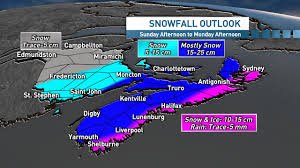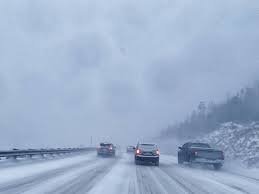
Winter storms can be beautiful, but they can also be dangerous. From heavy snowfall and icy roads to power outages and freezing temperatures, a winter storm can disrupt daily life and pose a serious threat to safety. Being prepared is crucial for protecting yourself, your family, and your property. This guide provides essential information on winter storm preparedness, helping you navigate the challenges and stay safe and warm throughout the season.
Understanding Winter Storms
Winter storms are characterized by a combination of snow, sleet, freezing rain, and strong winds. The severity of a storm can vary greatly, ranging from a light dusting of snow to a blizzard with near-zero visibility. The National Weather Service (NWS) uses different terms to describe the intensity of winter storms:
- Winter Storm Watch: Conditions are favorable for a winter storm to develop. Stay informed.
- Winter Storm Warning: A winter storm is occurring or will occur soon. Take immediate action.
- Blizzard Warning: Sustained winds or frequent gusts of 35 mph or greater and considerable falling and/or blowing snow reducing visibility to ¼ mile or less for three hours or more.
Understanding these warnings allows you to assess the risk and take appropriate precautions. You can find up-to-date information and warnings from the National Weather Service website.
Preparing for a Winter Storm
Preparation is key to minimizing the impact of a winter storm. Here’s a checklist to help you get ready:
- Stock Up on Supplies: Gather enough non-perishable food, water (one gallon per person per day for at least three days), medications, and other essential supplies to last for several days.
- Emergency Heating: Have a safe alternative heating source, such as a wood-burning stove or a propane heater (ensure proper ventilation!). Never use a generator indoors.
- Power Outage Preparedness: Charge your electronic devices, have flashlights with extra batteries, and consider a backup power source like a portable power bank.
- Home Protection: Insulate pipes to prevent freezing, seal cracks and openings around windows and doors, and ensure your roof is in good repair.
- Vehicle Preparation: Ensure your vehicle is winterized with snow tires, antifreeze, and a full tank of gas. Keep a winter emergency kit in your car (see below).
Winter Car Emergency Kit
- Warm blankets or sleeping bags
- Extra clothing (hats, gloves, scarves)
- Flashlight with extra batteries
- First-aid kit
- Jumper cables
- Sand or kitty litter for traction
- Shovel
- Ice scraper
- Snacks (non-perishable)
Staying Safe During a Winter Storm
Once the storm hits, it’s crucial to prioritize safety. Here are some important tips:
- Stay Indoors: Avoid unnecessary travel during the storm.
- Conserve Heat: Close off unused rooms and stuff towels under doors to prevent drafts.
- Prevent Carbon Monoxide Poisoning: Never use a generator, charcoal grill, or propane heater indoors.
- Check on Neighbors: Especially those who are elderly or have disabilities.
- Be Aware of Hypothermia and Frostbite: Recognize the symptoms and seek medical attention if necessary. The Centers for Disease Control and Prevention (CDC) provides valuable information on these conditions.
Winter storms can be challenging, but with proper preparation and awareness, you can stay safe and warm throughout the season. Remember to stay informed, take precautions, and prioritize your well-being.