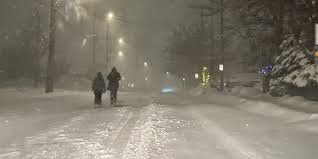
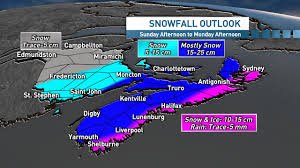
Winter Storms: A Canadian Reality
Winter storms are a common occurrence across Canada, bringing with them heavy snowfall, freezing rain, and dangerously cold temperatures. Being prepared for a **winter storm** isn’t just about convenience; it’s about safety and protecting your family and property. This guide will provide you with essential information on how to prepare for, survive, and recover from a **winter storm** in Canada.
Before the Storm: Preparation is Key
The best way to handle a **winter storm** is to be prepared *before* it hits. Here’s a checklist to get you started:
- Emergency Kit: Assemble a kit with enough supplies to last at least 72 hours. This should include food, water (one gallon per person per day), a first-aid kit, a battery-powered or hand-crank radio, flashlights, extra batteries, warm clothing, blankets, and essential medications.
- Home Heating: Ensure your heating system is working properly. Have a backup heating source, like a wood-burning stove or kerosene heater (with proper ventilation!), in case of a power outage. Never use a gas oven to heat your home.
- Insulation: Check your home’s insulation. Proper insulation can help retain heat and reduce energy costs.
- Vehicle Preparation: If you must travel, ensure your vehicle is winterized. This includes checking the battery, tires, fluids, and having a winter emergency kit in your car (blankets, shovel, sand/salt, flashlight, etc.).
- Communication Plan: Establish a communication plan with family members. Know how you will reach each other if separated.
- Stay Informed: Monitor weather forecasts regularly from reliable sources like Environment Canada: [https://weather.gc.ca/](https://weather.gc.ca/).
During the Storm: Staying Safe
Once the **winter storm** arrives, your priority is safety. Here’s what to do:
- Stay Indoors: The safest place to be during a **winter storm** is indoors. Avoid unnecessary travel.
- Conserve Heat: Close off unused rooms and stuff towels or rags under doors to prevent drafts.
- Power Outages: If the power goes out, use flashlights instead of candles. Be extremely careful with alternative heating sources. Dress in layers and use blankets to stay warm.
- Carbon Monoxide Safety: Never use generators, grills, or other fuel-burning devices indoors. Carbon monoxide is a deadly, odorless gas. Ensure carbon monoxide detectors are working properly.
- Check on Neighbors: If possible, check on elderly or vulnerable neighbors to ensure they are safe and warm.
After the Storm: Recovery and Prevention
After the **winter storm** passes, be cautious. Here are some things to keep in mind:
- Clear Snow and Ice: Carefully remove snow and ice from walkways and driveways to prevent slips and falls.
- Downed Power Lines: Stay away from downed power lines. Report them to your local utility company immediately.
- Assess Damage: Inspect your property for damage. Contact your insurance company if necessary.
- Prevent Frozen Pipes: Allow faucets to drip slightly to prevent pipes from freezing.
Preparing for a **winter storm** is a proactive step towards ensuring your safety and well-being. By following these tips, you can navigate the challenges of winter with confidence. Remember to stay informed, stay safe, and stay warm!