When Does Daylight Saving Time Start in 2026?
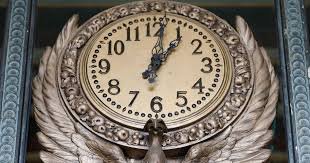
Mark your calendars! Daylight Saving Time (DST), often referred to as “daylight savings,” will begin on Sunday, March 8, 2026, at 2:00 AM local time. This means most Americans will “spring forward” and lose an hour of sleep that weekend. But why do we do this, and what’s the history behind it?
Understanding the Time Shift
Daylight Saving Time effectively shifts an hour of daylight from the morning to the evening. This is achieved by moving clocks forward one hour. For example, in Boston, on Saturday, March 7th, 2026, sunrise will be at 6:09 a.m. and sunset at 5:41 p.m. However, after the clocks change on Sunday, sunrise will occur at 7:08 a.m. and sunset at 6:42 p.m., according to the National Weather Service.
A Historical Look at Daylight Saving Time
The practice of adjusting clocks isn’t new. Here’s a timeline of how Daylight Saving Time has evolved in the United States:
- 1918: First adopted during World War I as a fuel conservation measure.
- 1942-1945: Used during World War II to promote national security and defense.
- 1966: The Uniform Time Act established a standardized system, initially setting the start date as the last Sunday in April.
- 1974: A brief experiment with year-round DST was attempted during the energy crisis, but it was short-lived.
- 2007: The start date was moved to the second Sunday in March, where it remains today.
The Congressional Research Service provides detailed information on the legislative history of Daylight Saving Time.
Does Daylight Saving Time Actually Save Energy?
Despite its original intention, the energy-saving benefits of DST are debatable. Studies have shown minimal impact. A 1974 Transportation Department report found minimal benefits regarding energy conservation, traffic safety, and crime reduction. Even after the 2007 change, the Energy Department reported only a 0.03% decrease in electricity consumption.
Health Considerations
The time shift can have negative health effects for some individuals, disrupting sleep patterns and potentially impacting overall well-being. It’s important to adjust gradually to minimize these effects.
Which States Don’t Observe Daylight Saving Time?
Currently, Hawaii and Arizona (with the exception of the Navajo Nation) do not observe Daylight Saving Time. Additionally, the territories of American Samoa, Guam, the Northern Mariana Islands, Puerto Rico, and the U.S. Virgin Islands also maintain standard time year-round.
Updating Your Devices
Fortunately, most smartphones and computers will automatically update to the new time. However, if you need assistance, resources are available from major tech companies:
Carriers like Straight Talk and Tracfone also offer instructions for Motorola users.
Looking Ahead: When Do We “Fall Back”?
Don’t forget to “fall back” to standard time on Sunday, November 1, 2026, at 2:00 AM local time. This will give us an extra hour of sleep!