Understanding the 날씨: Your Comprehensive Weather Guide
날씨, which translates to ‘weather’ in Korean, is a topic that impacts everyone, every day. From planning your commute to deciding what to wear, knowing the weather forecast is crucial. This guide provides a comprehensive overview of understanding and staying updated with the latest weather information, focusing on resources and insights to help you navigate any conditions.
Why Accurate Weather Forecasting Matters
Beyond simple convenience, accurate weather forecasts play a vital role in safety and preparedness. Severe weather events like hurricanes, tornadoes, and blizzards require timely warnings to minimize risk. Even everyday forecasts help us make informed decisions about outdoor activities, travel, and energy consumption. The National Weather Service (https://www.weather.gov/) is a primary source for official weather forecasts and warnings in the United States.
Key Weather Terms to Know
- Temperature: Measured in Celsius (°C) or Fahrenheit (°F), indicating how hot or cold it is.
- Humidity: The amount of moisture in the air, affecting how the temperature feels.
- Precipitation: Any form of water falling from the sky, including rain, snow, sleet, and hail.
- Wind Speed & Direction: Important for understanding how weather systems are moving and potential impacts.
- Atmospheric Pressure: Changes in pressure can indicate approaching weather systems.
Reliable Sources for 날씨 Information
Staying informed about the weather is easier than ever with a wealth of resources available:
- National Weather Service (NWS): (https://www.weather.gov/) – Official forecasts, warnings, and data.
- AccuWeather: (https://www.accuweather.com/) – Detailed forecasts, radar maps, and severe weather alerts.
- The Weather Channel: (https://weather.com/) – Comprehensive weather coverage, including video forecasts and articles.
- Weather Underground: (https://www.wunderground.com/) – Hyperlocal weather information and personal weather stations.
- Mobile Apps: Numerous weather apps are available for smartphones, providing convenient access to forecasts on the go.
Understanding Weather Maps and Radar
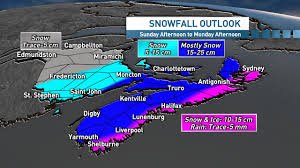
Weather maps and radar images provide a visual representation of atmospheric conditions. Learning to interpret these tools can enhance your understanding of the weather. Radar shows the location and intensity of precipitation, while maps display temperature, pressure, and wind patterns. Resources like the NWS offer tutorials on interpreting weather maps. (https://www.weather.gov/jetstream/)
Preparing for Severe Weather
When severe weather is forecast, it’s essential to take precautions. This includes:
- Staying informed: Monitor weather updates from reliable sources.
- Having a plan: Develop a family emergency plan.
- Assembling a kit: Prepare a disaster supply kit with essential items like food, water, and a first-aid kit.
- Following official instructions: Heed warnings and evacuation orders from local authorities.
By staying informed and prepared, you can minimize the risks associated with severe weather and ensure your safety.