USS Gerald R. Ford Fire: A Deep Dive into the Incident & Its Implications
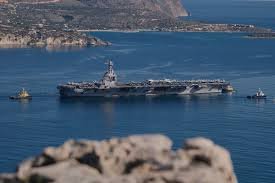
On May 17, 2024, a fire broke out aboard the USS Gerald R. Ford (CVN-78), the U.S. Navy’s newest and most advanced aircraft carrier. The incident, while quickly contained, has raised concerns about the ship’s ongoing operational readiness and the complexities of integrating cutting-edge technology into naval warfare. This article provides a comprehensive overview of the USS Gerald R. Ford fire, examining the known details, potential causes, and the broader implications for the U.S. Navy.
What Happened? The Timeline of the USS Gerald R. Ford Fire
The fire originated in a space containing lithium-ion batteries, used to power some of the ship’s advanced systems. Initial reports indicated the fire was contained by the ship’s damage control teams within approximately 30 minutes. There were no injuries reported among the crew. The incident occurred while the ship was docked at Naval Station Norfolk in Virginia. The quick response of the crew prevented the fire from spreading and causing more significant damage. However, the incident highlights the inherent risks associated with the use of advanced battery technology in a confined maritime environment.
Potential Causes: Investigating the Root of the Problem
The exact cause of the fire is currently under investigation by the Navy. Lithium-ion batteries are known for their high energy density, which makes them susceptible to thermal runaway – a chain reaction that can lead to fire and even explosion. Factors that could contribute to thermal runaway include manufacturing defects, overcharging, physical damage, or exposure to extreme temperatures. The Navy is meticulously examining the batteries and related systems to determine the precise trigger for the fire. This investigation will be crucial in preventing similar incidents in the future. The Naval Safety Command is leading the investigation, and their findings will be made public once completed.
Impact on Naval Operations & the USS Gerald R. Ford’s Deployment
The USS Gerald R. Ford has faced numerous challenges since its commissioning, including issues with its advanced arresting gear system and elevators. This fire adds another layer of complexity to the ship’s operational history. While the damage appears to be localized, the incident will likely delay the ship’s planned deployment. The Navy has stated that the ship will undergo thorough inspections and repairs before returning to service. This delay could impact U.S. naval presence in key strategic regions. The USS Gerald R. Ford represents a significant investment in the future of naval aviation, and ensuring its reliability is paramount. You can find more information about the ship’s capabilities at the [U.S. Navy’s official website](https://www.navy.mil/ship/cvn78/).
Lithium-Ion Battery Safety in Naval Applications
The USS Gerald R. Ford fire underscores the growing importance of battery safety in modern naval applications. As the Navy continues to integrate more electric systems, the reliance on lithium-ion batteries will only increase. Developing robust safety protocols, including improved battery management systems, fire suppression technologies, and crew training, is essential. The Navy is actively researching and evaluating alternative battery technologies to mitigate the risks associated with lithium-ion batteries. This incident serves as a critical learning opportunity for the entire naval community.
Ongoing Updates & Future Outlook
The situation surrounding the USS Gerald R. Ford fire is still developing. We will continue to provide updates as more information becomes available. The Navy is committed to transparency and will share the results of its investigation with the public. The incident highlights the challenges of operating and maintaining a complex, technologically advanced warship. Despite these challenges, the USS Gerald R. Ford remains a vital asset for the U.S. Navy and will play a crucial role in maintaining maritime security for years to come.